Battle-tested knowledge on IBM Maximo, AI automation, and enterprise asset management — built to last.
Showing 1–12 of 100 posts
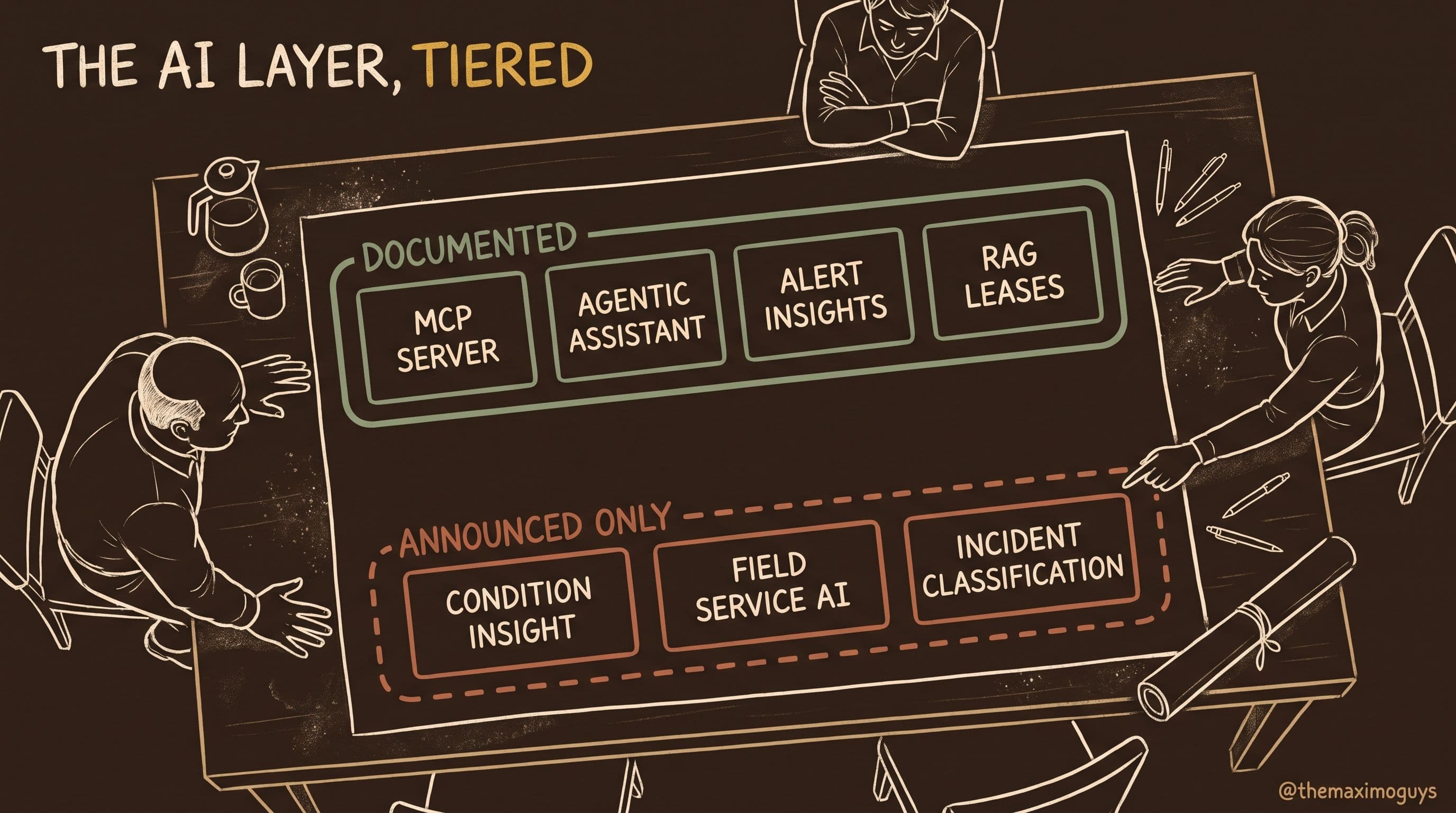
IBM framed MAS 9.2 around asset-first AI and agentic workflows. This is an evidence-tiered assessment of what that actually means — the agentic Maximo Assistant, the Maximo MCP server, AI-generated insights with confidence scores, RAG lease extraction, watsonx Orchestrate in Maximo IT, and AI Service AppPoint tracking — separating what product documentation confirms from what only the announcement claims.
 Venkat AchantaAug 12, 2026Part 5 of 7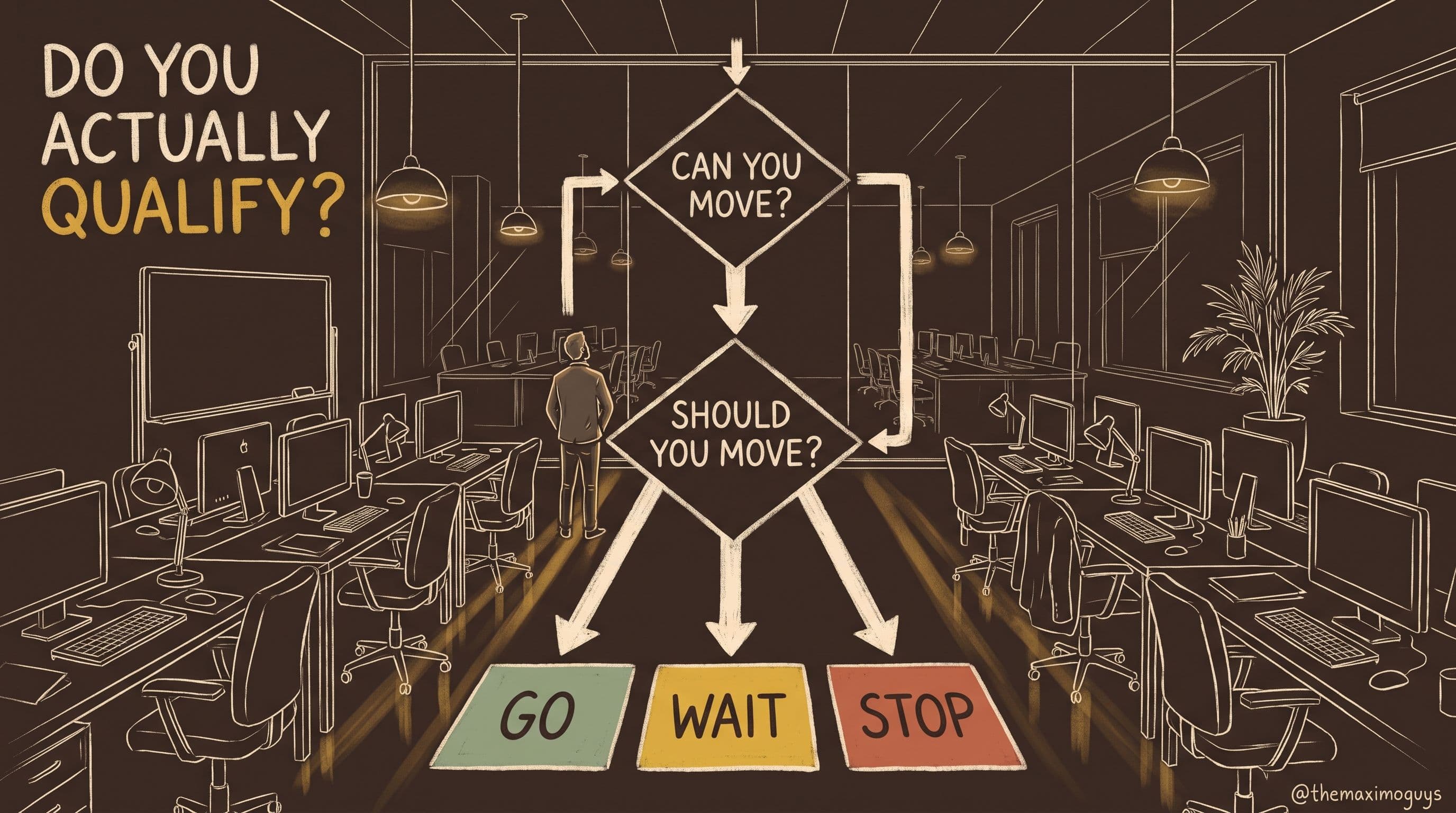
A structured reality check on IBM Maximo Application Suite 9.2. Eight gates that decide whether you can and should move, five verdicts mapped to real customer profiles, and an honest accounting of what the release does and doesn't give you.
Venkat AchantaAug 12, 2026Part 7 of 7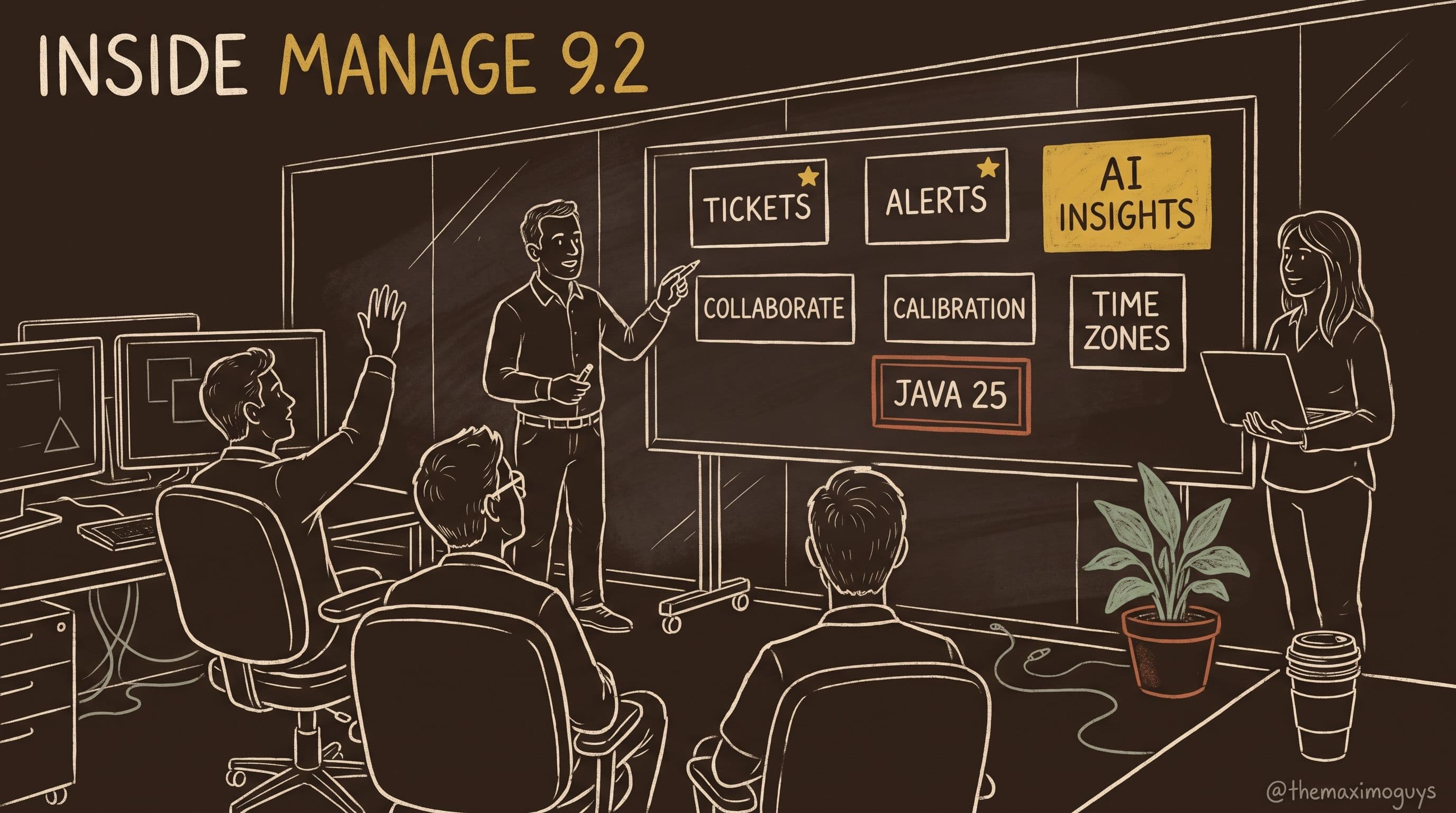
A complete, sourced walkthrough of Maximo Manage 9.2 — the new Tickets and Alerts applications, AI-generated alert insights, Collaborate moving inside Manage, automated calibration accuracy validation for ISO/IEC 17025 and ISO 15189, six new time zone processing rules, Java 25, and everything new in Maximo Optimizer 9.2.
Venkat AchantaAug 12, 2026Part 3 of 7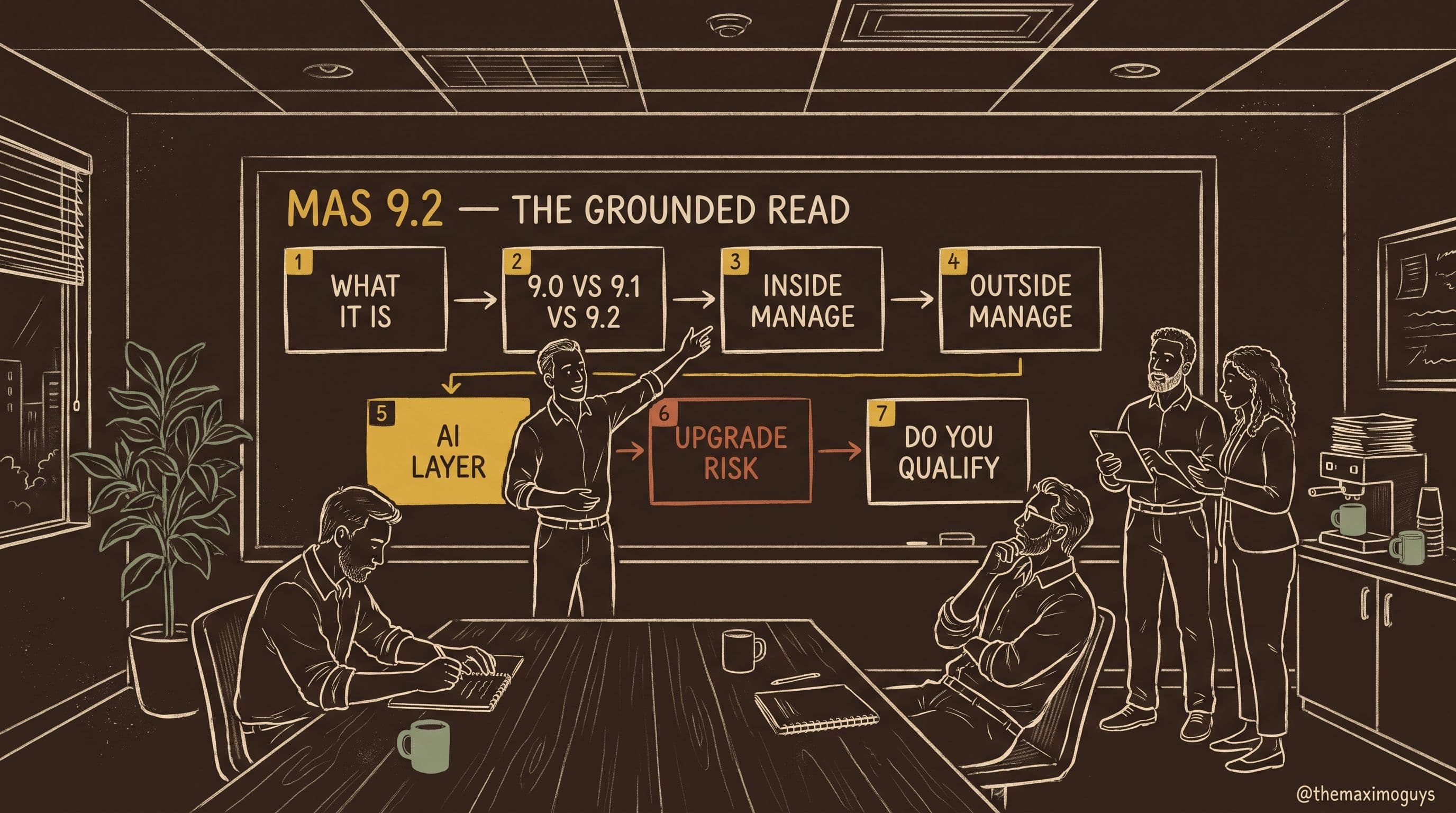
A seven-part, primary-source series on IBM Maximo Application Suite 9.2. What actually shipped on 25 June 2026, how it compares to 9.1 and 9.0, what changed inside Manage and across the suite, what the AI layer really contains, the upgrade items that bite hardest, and an honest verdict on who qualifies.
Venkat AchantaAug 12, 2026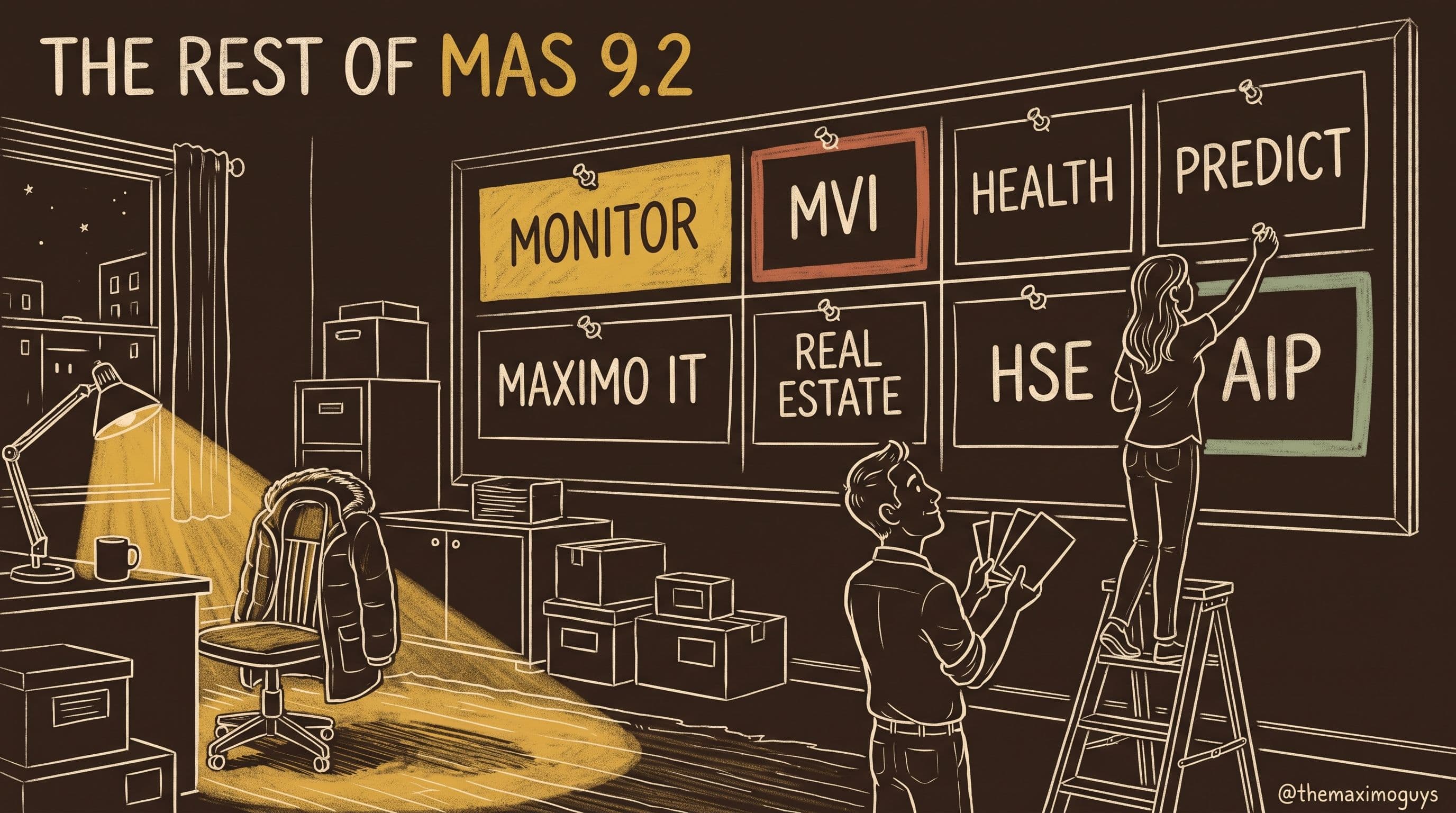
Monitor 9.2 drops its IoT Platform dependency and becomes stand-alone. MVI removes Caffe and Darknet and retroactively drops NVIDIA Pascal GPUs. Health, Predict, Maximo IT, Real Estate and Facilities, HSE, Oil & Gas and AIP all shipped real changes. Here's the product-by-product breakdown, and which ones force work on upgrade.
Venkat AchantaAug 12, 2026Part 4 of 7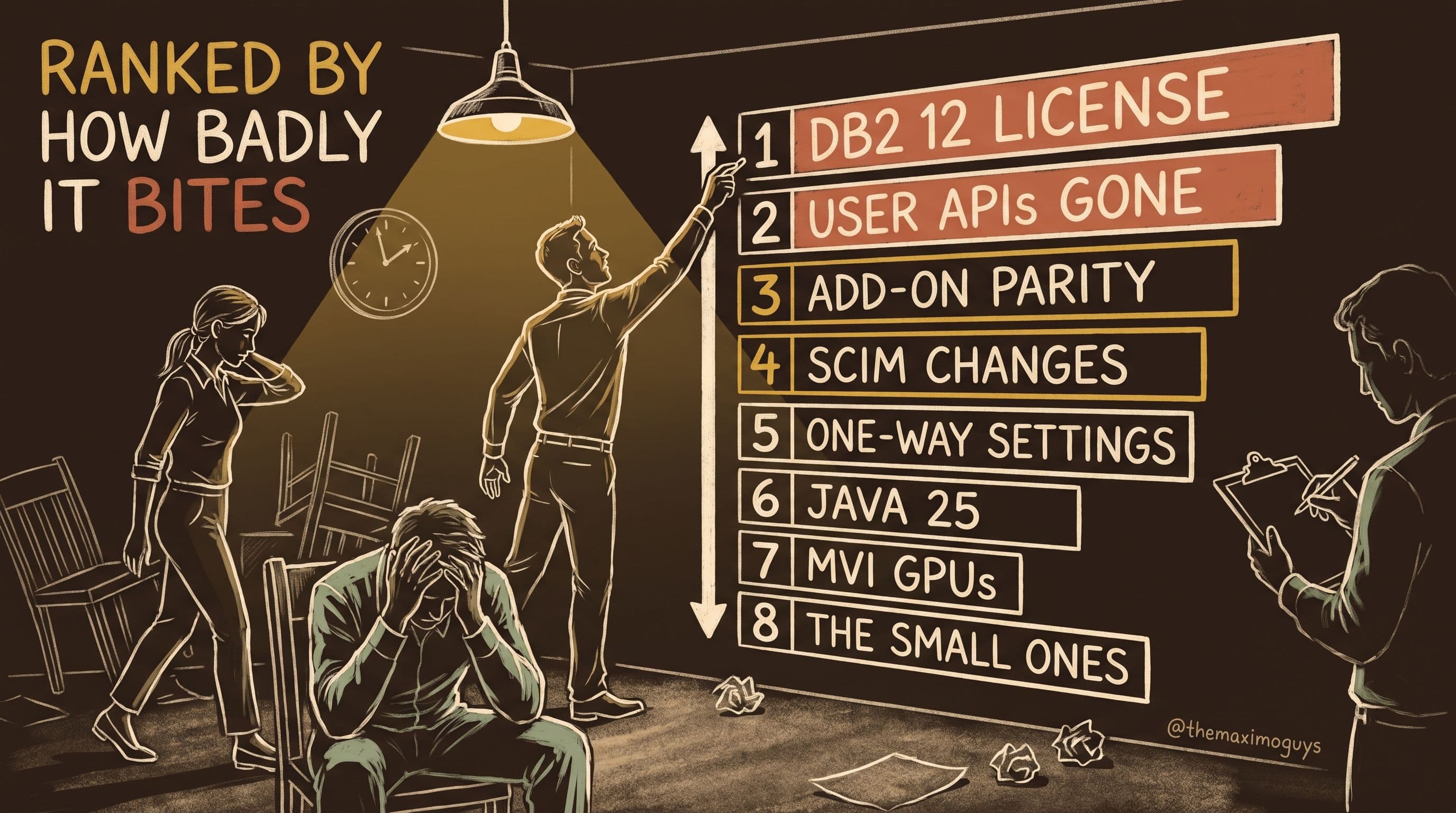
A ranked, sourced watch-list for the MAS 9.2 upgrade — the Db2 12 licence trap that takes production down 30 days later, the removed user management APIs, add-on parity, SCIM migration, two irreversible settings, Java 25, MVI's retroactive GPU removal, and the small ones that still cost you a weekend.
Venkat AchantaAug 12, 2026Part 6 of 7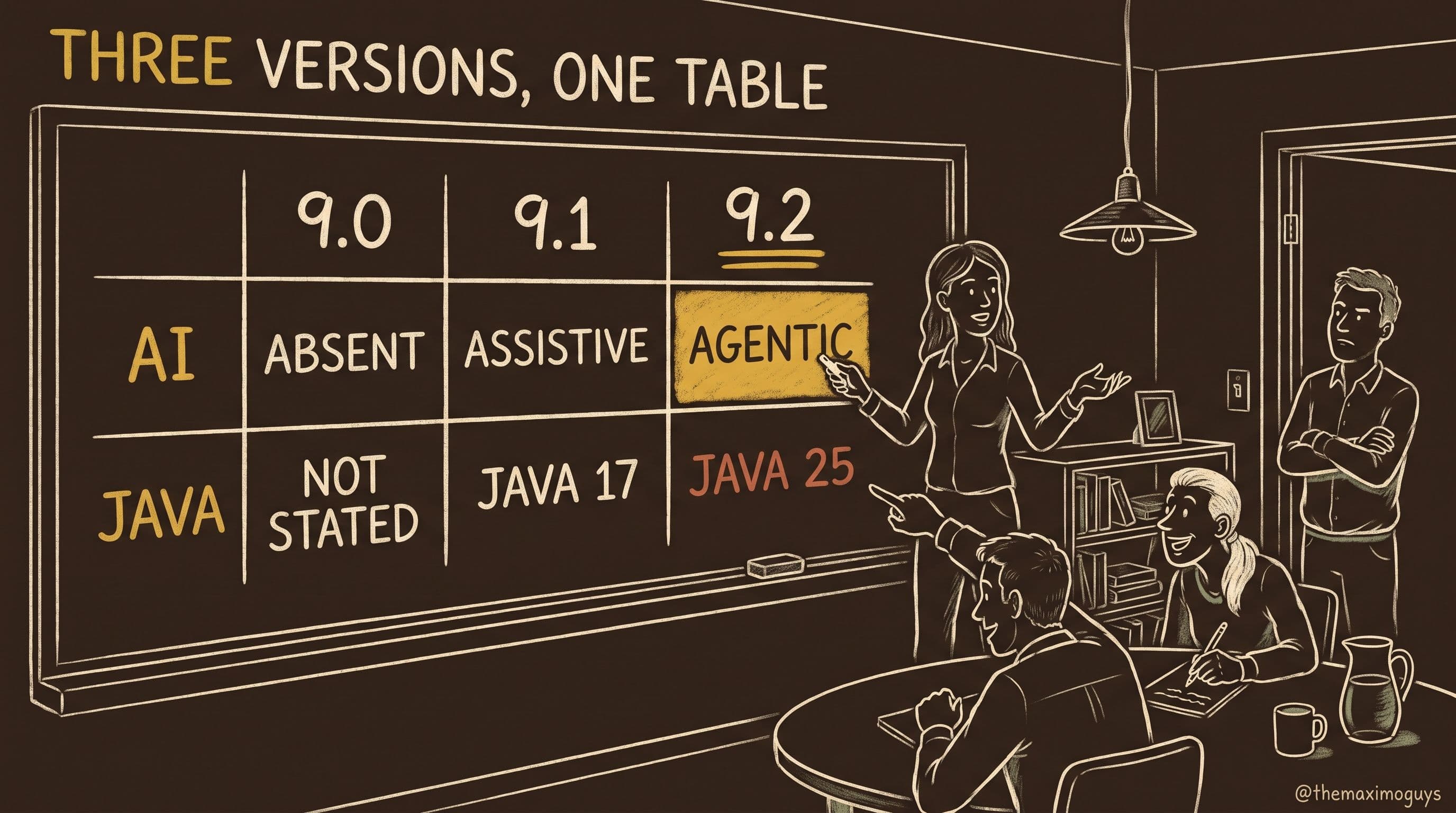
A dimension-by-dimension comparison of Maximo Application Suite 9.0, 9.1 and 9.2 — platform and navigation, AI, applications, Java and database prerequisites, and support lifecycle — built only from IBM's own pages, with every claim we could not verify flagged as such.
Venkat AchantaAug 12, 2026Part 2 of 7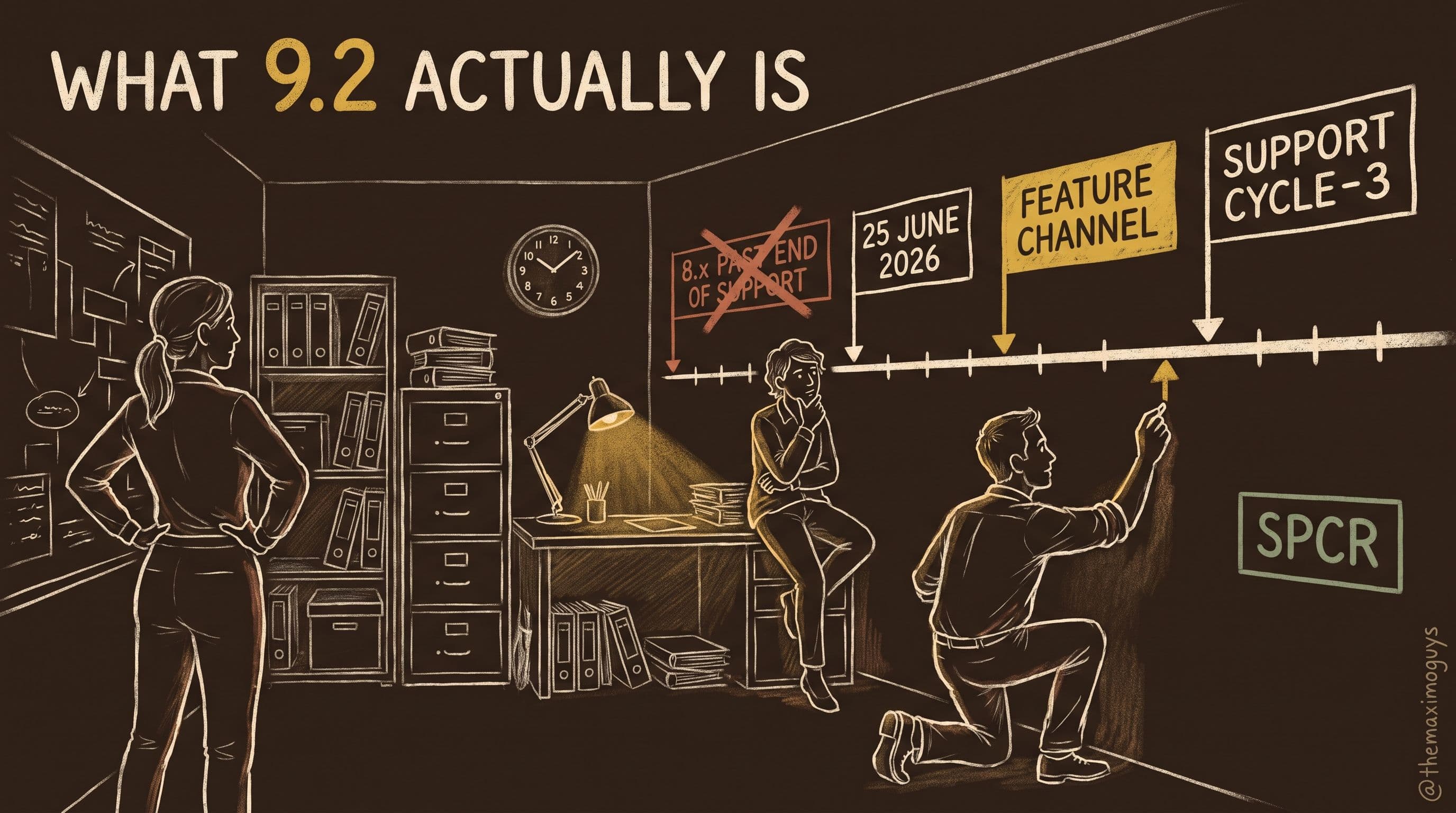
A plain-language guide to MAS 9.2 for business and functional leaders: what was released, what the Feature Channel means, how support works, what 8.x customers must check, and how to confirm platform requirements.
Venkat AchantaAug 12, 2026Part 1 of 7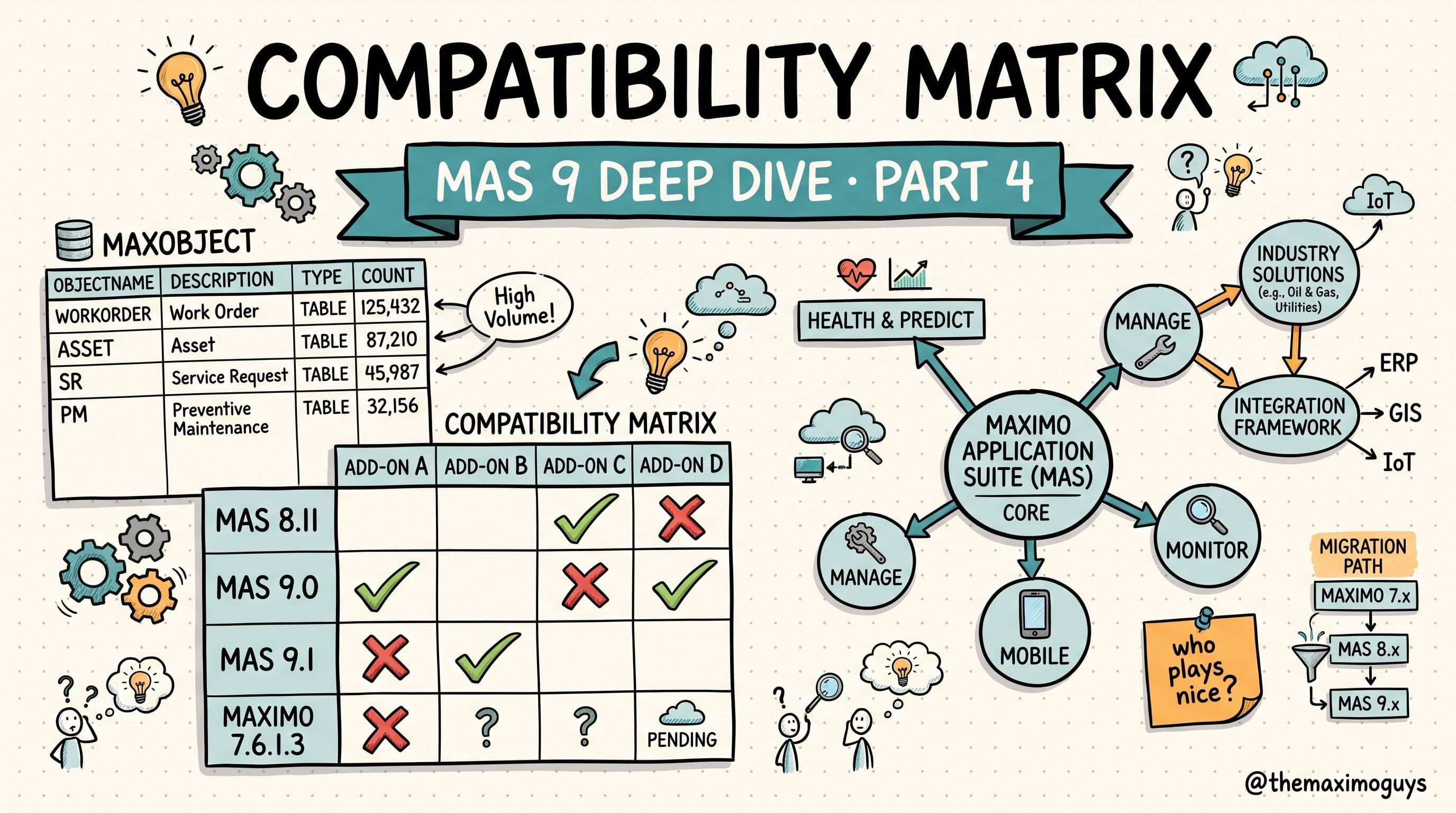
How to read MAXOBJECT counts as an add-on's real database footprint, why HSE ships inside Oil & Gas under one shared PLUSG prefix, why Aviation conflicts with almost everything, and the exact MAS 9 compatibility matrix that tells you which extensions can coexist.
Venkat AchantaJul 15, 2026Part 4 of 7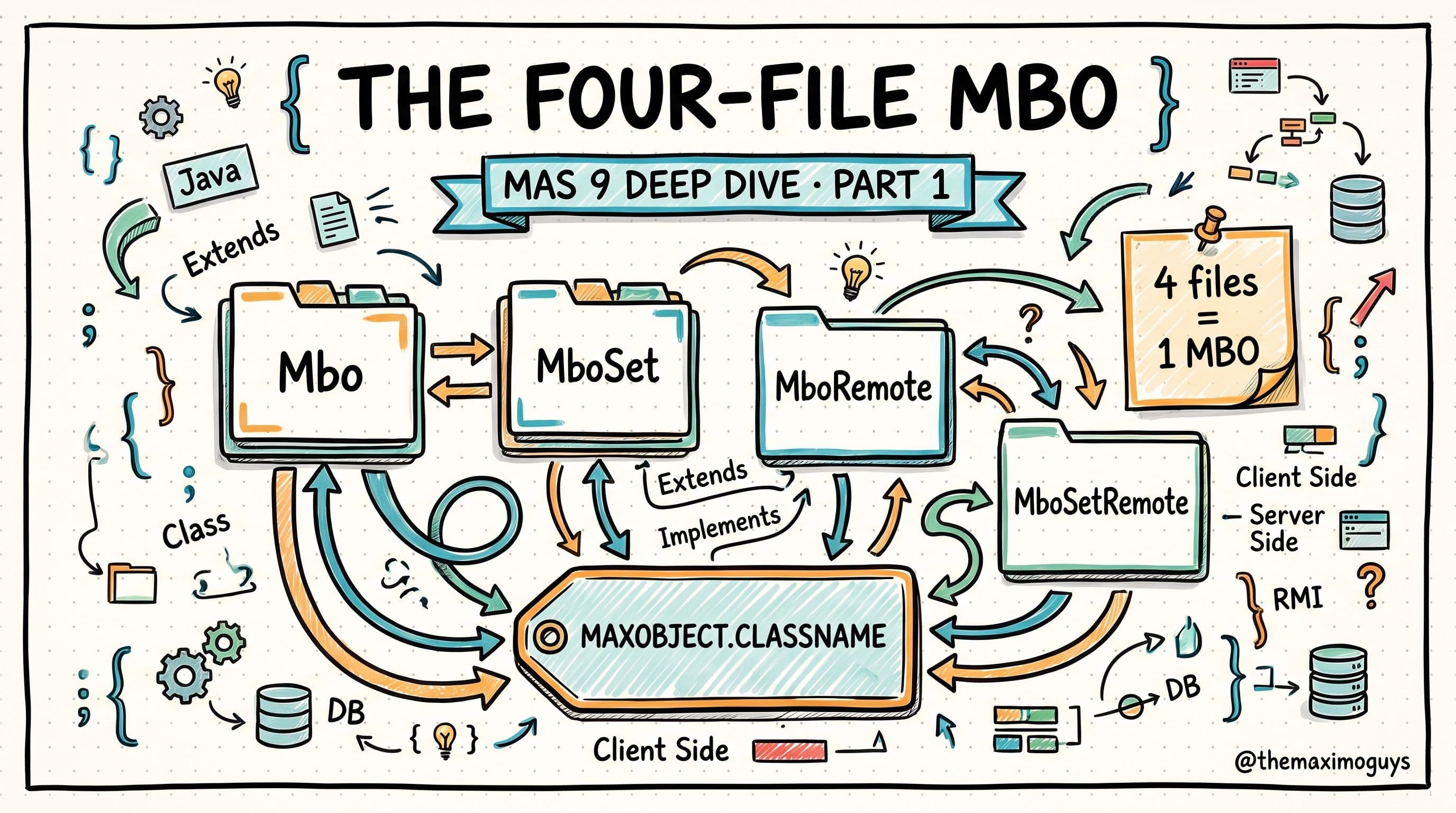
A developer's deep dive into the four-file MBO pattern behind every Maximo object, how MAXOBJECT.CLASSNAME links an object to its MBO Set class, and how a PLUS add-on layers on top through plain Java inheritance.
Venkat AchantaJul 15, 2026Part 1 of 7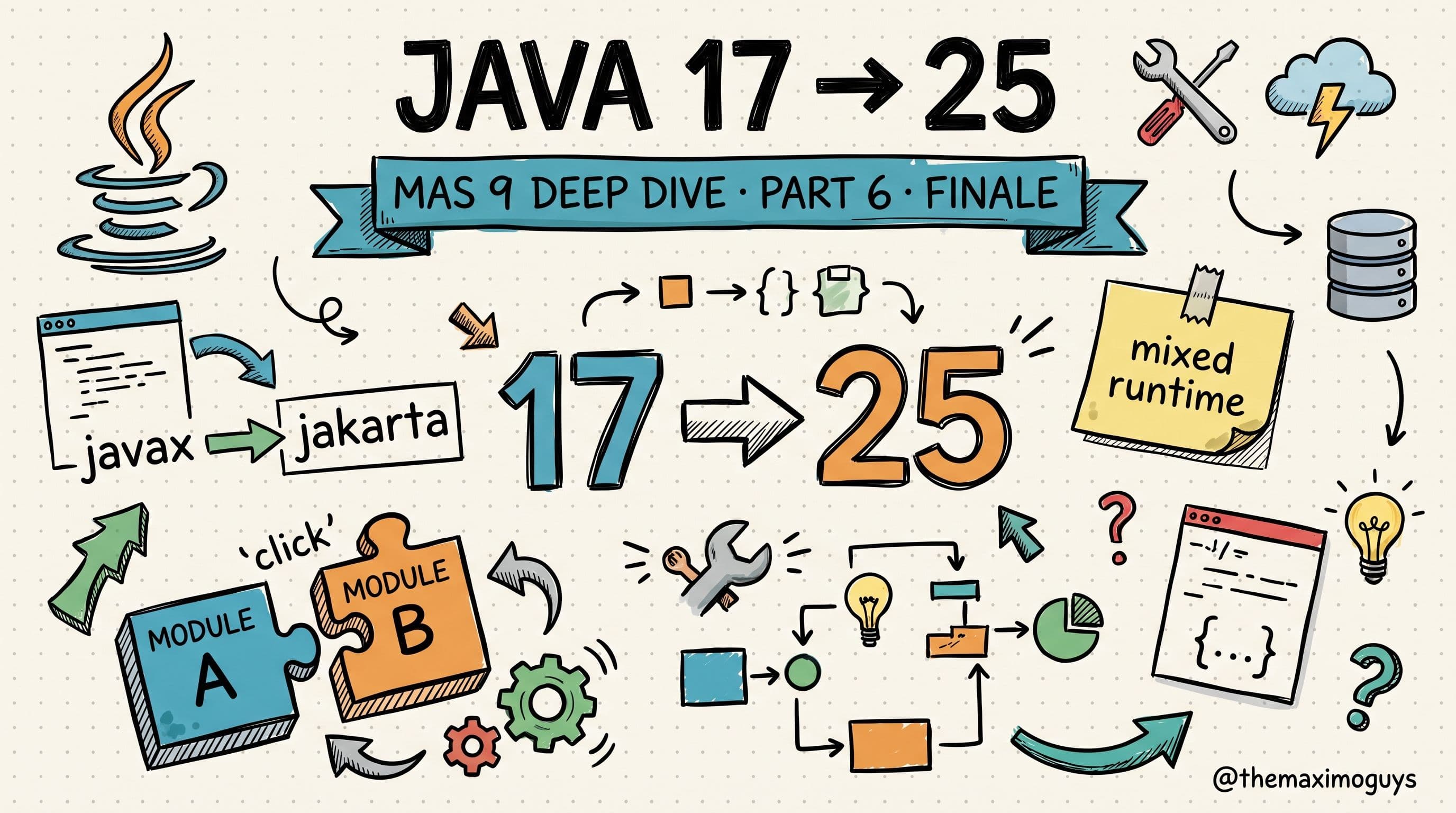
MAS 9.1 moved the JVM under every Maximo customization from Java 11 to Java 17. MAS 9.2 (June 2026) adds Java 25 at the platform and AI-Service level while Java 17 stays the baseline for Manage and your custom code. Here is what changes for existing extensions, why 9.2 is a mixed Java-17/Java-25 environment, how to test and remediate, and why the extension model endured while everything around it modernized.
Venkat AchantaJul 15, 2026Part 6 of 7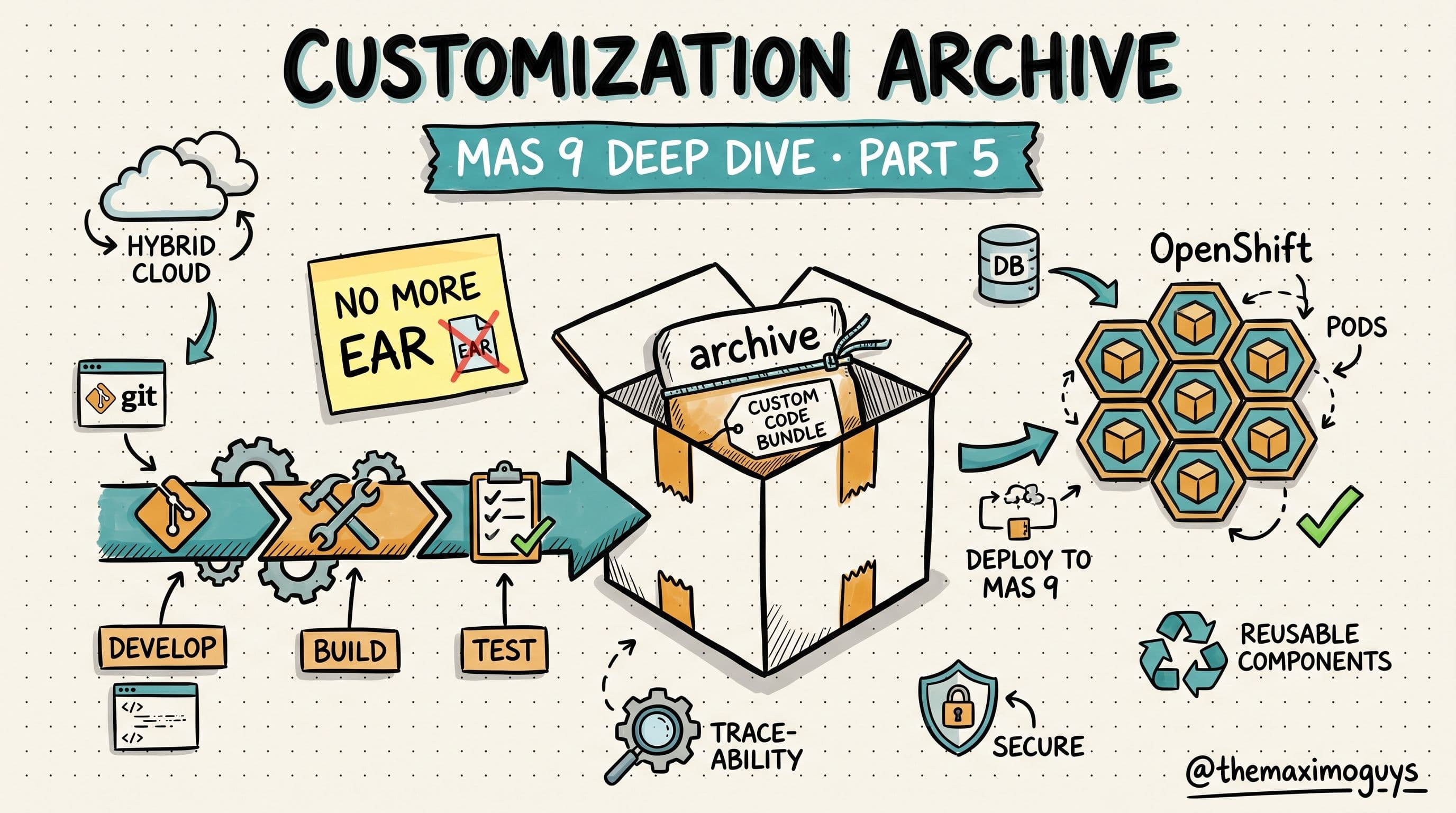
How Maximo add-ons are activated in the MAS Manage component model, and how custom Java is now delivered as a Customization Archive baked into a container image on OpenShift instead of dropped into WebSphere — the old-world/MAS-world post for developers and upgrade teams.
Venkat AchantaJul 15, 2026Part 5 of 7