13 posts tagged “IBM Bob”
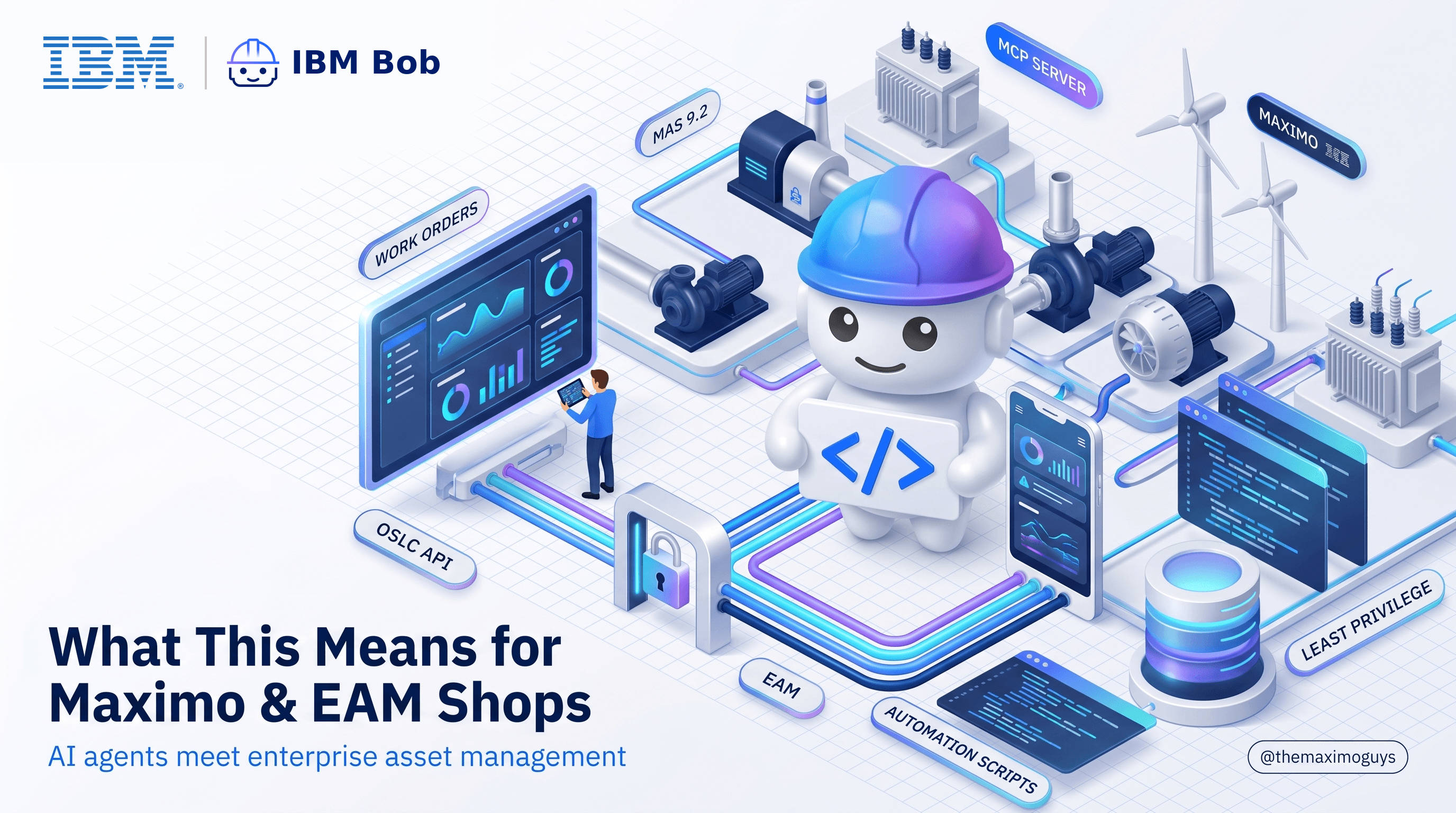
AI coding agents have arrived in IBM Maximo land: a native MCP server in MAS 9.2, Maximo skills for IBM Bob, and open tooling from the community. Here's what changes for Maximo teams, what doesn't, and where the guardrails go.
 Manasa GangaSep 29, 2026Part 12 of 13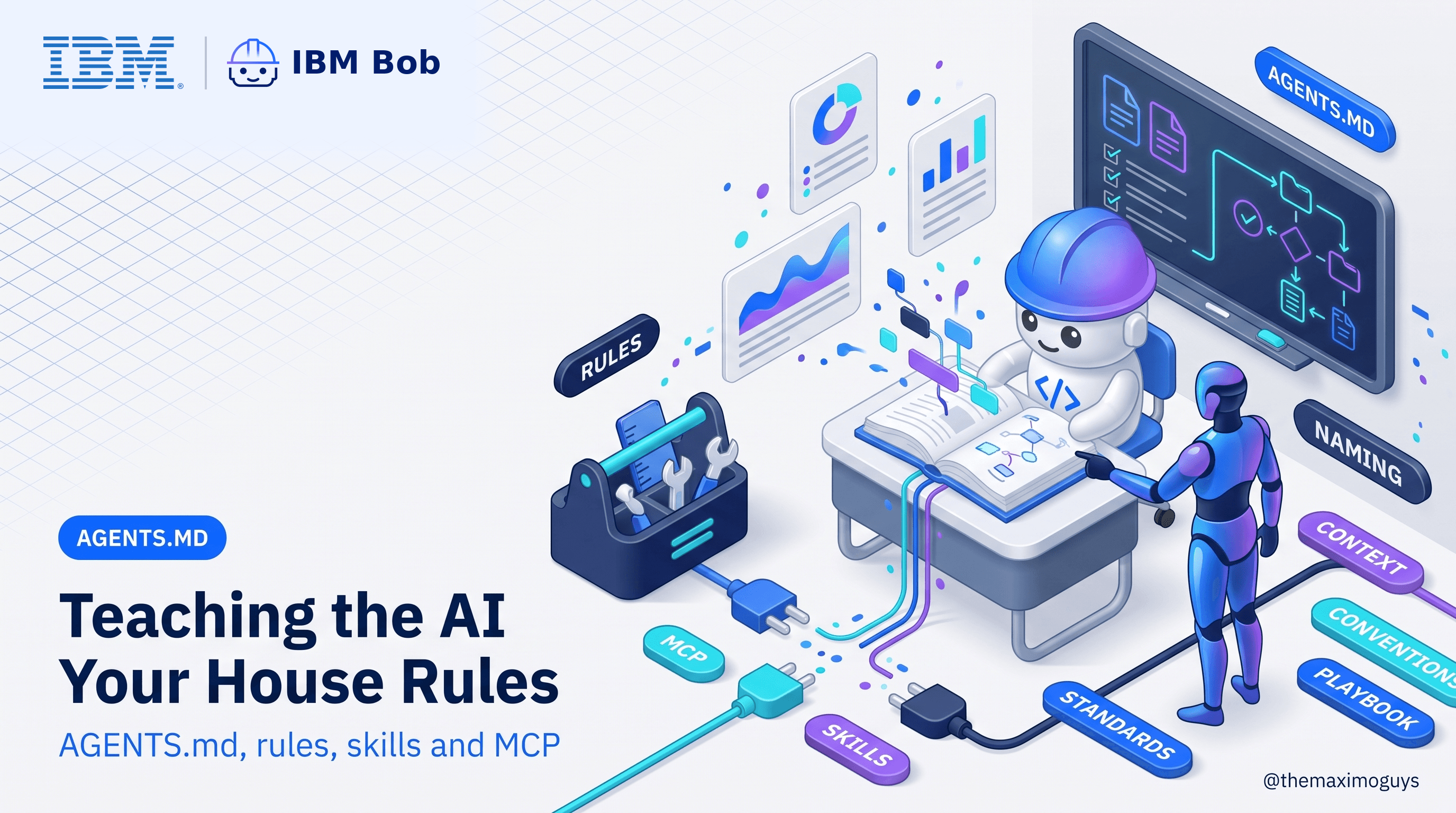
An AI coding agent walks into your codebase knowing nothing about your naming conventions, banned libraries or deployment rules. Here's how AGENTS.md, rule files, skills and MCP turn house rules into something the agent actually follows.
 Krishna NeelaSep 24, 2026Part 11 of 13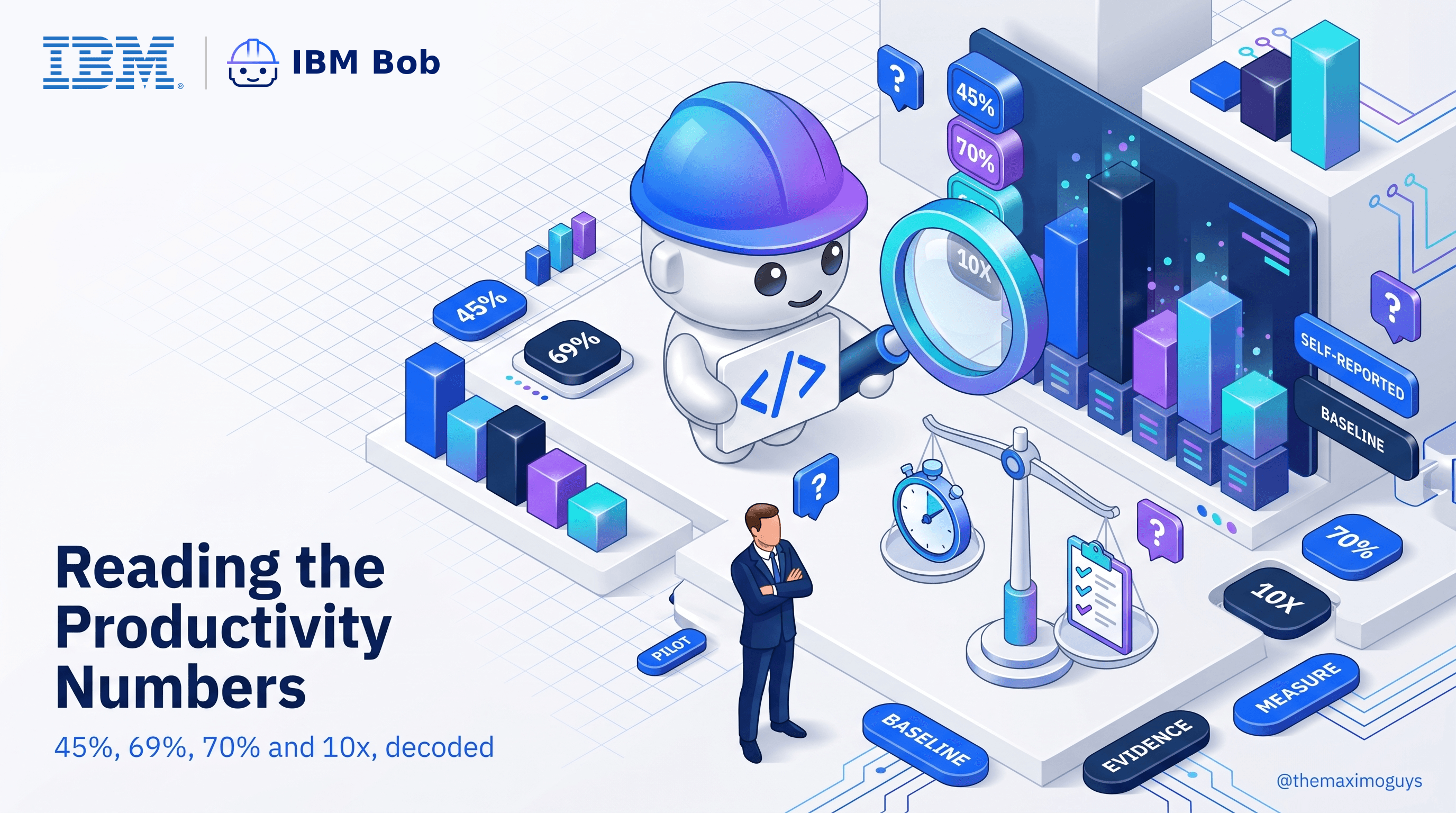
AI coding vendors love big productivity numbers. Here's how to read them like a skeptical executive, what the IBM Bob figures actually measure, and how to run a pilot that produces a number you can trust.
Krishna NeelaSep 19, 2026Part 10 of 13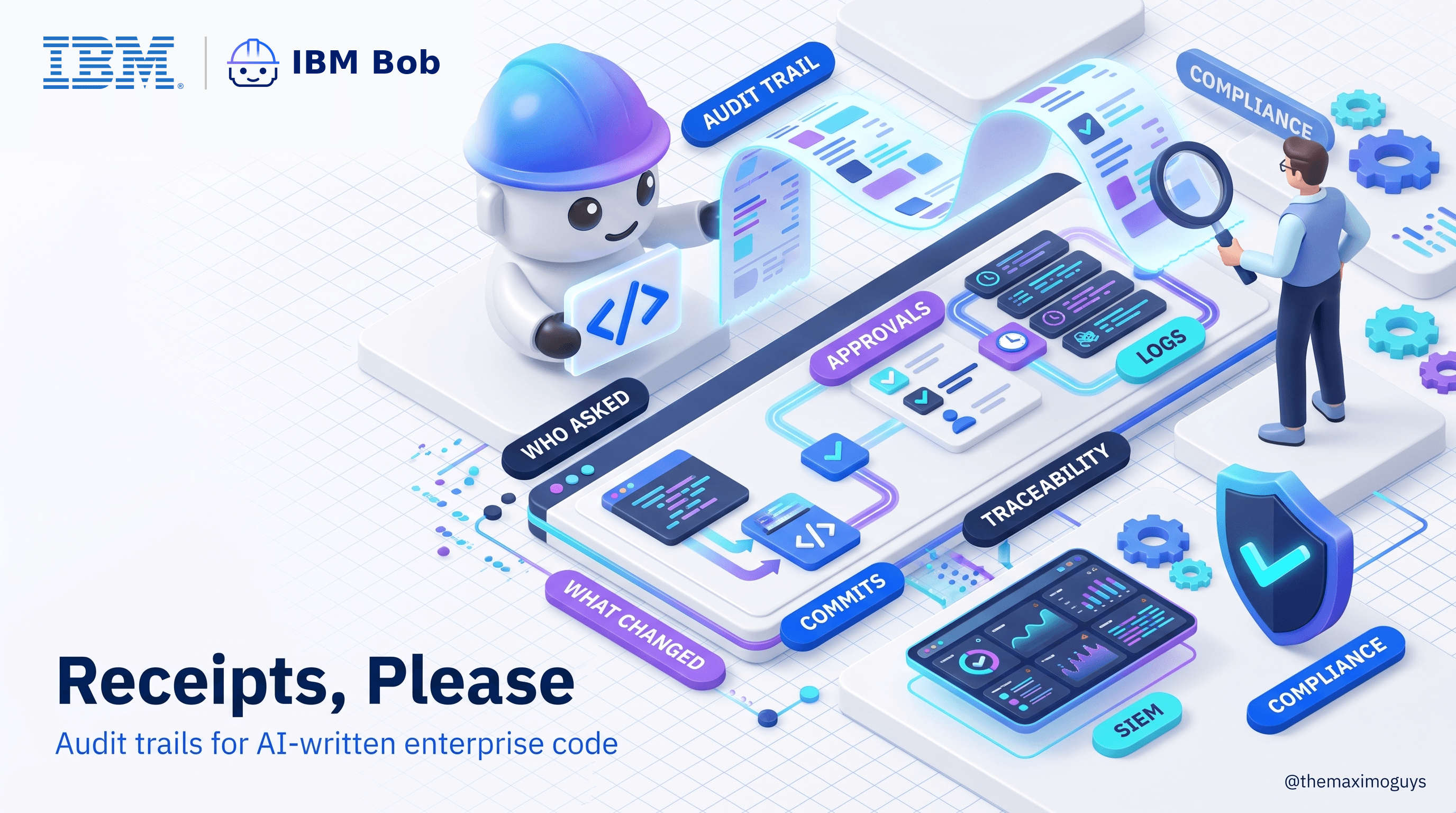
When an auditor asks who wrote that line of code, "the AI did" isn't an answer. How enterprise teams keep receipts for AI-assisted development: activity logs, usage analytics, approvals, rollbacks, and agents that act through APIs instead of databases.
Krishna NeelaSep 14, 2026Part 9 of 13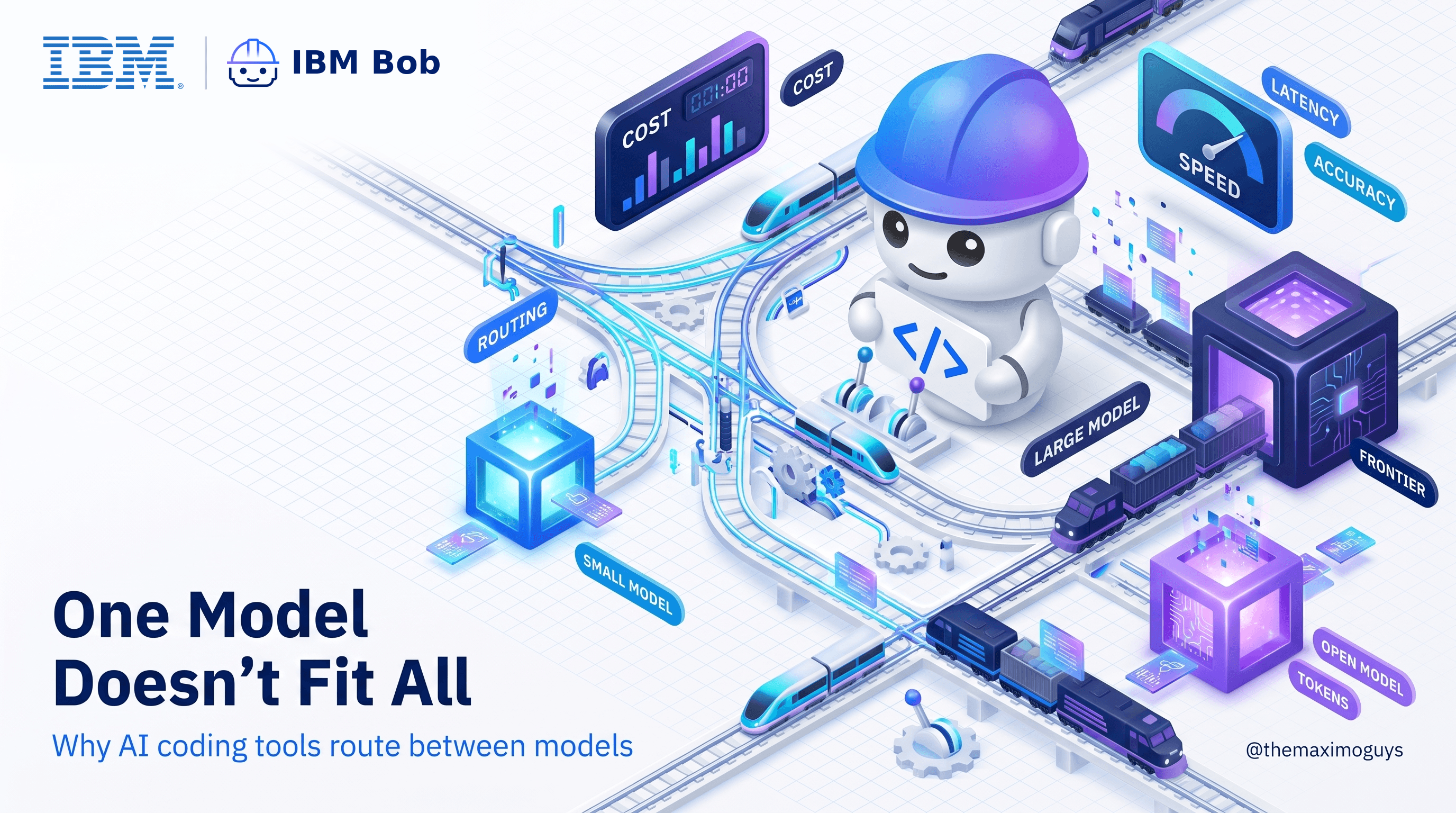
Autocomplete, legacy refactoring, and architecture planning don't need the same AI model. Here's how enterprise coding tools decide which model does which job, and why letting the tool choose for you has a catch.
Krishna NeelaSep 9, 2026Part 8 of 13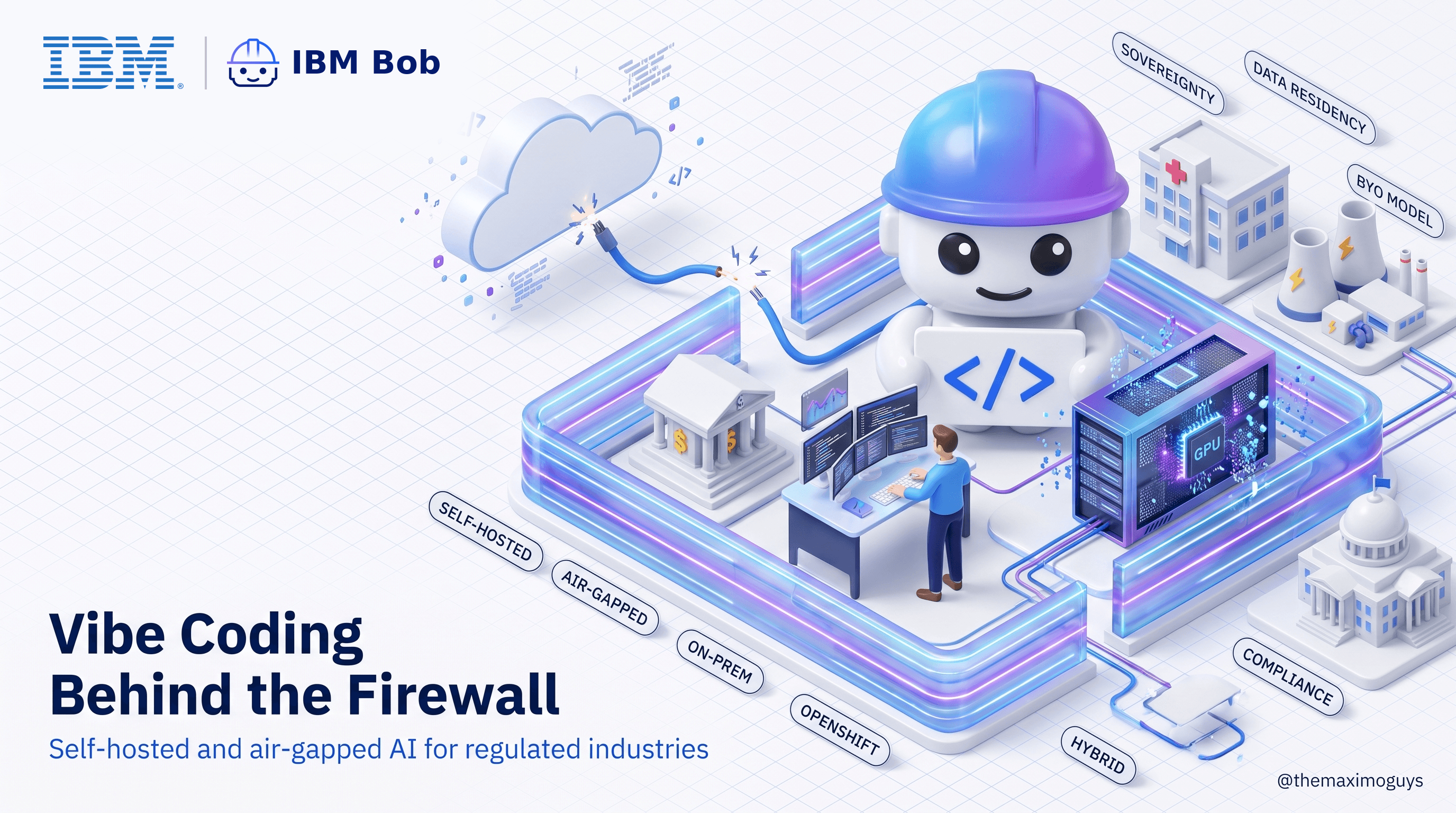
For banks, utilities, defence and government, 'just use the cloud' isn't an answer. Here's what self-hosted and air-gapped AI coding really means in 2026 — and the capability trade-off nobody puts on the slide.
Krishna NeelaSep 4, 2026Part 7 of 13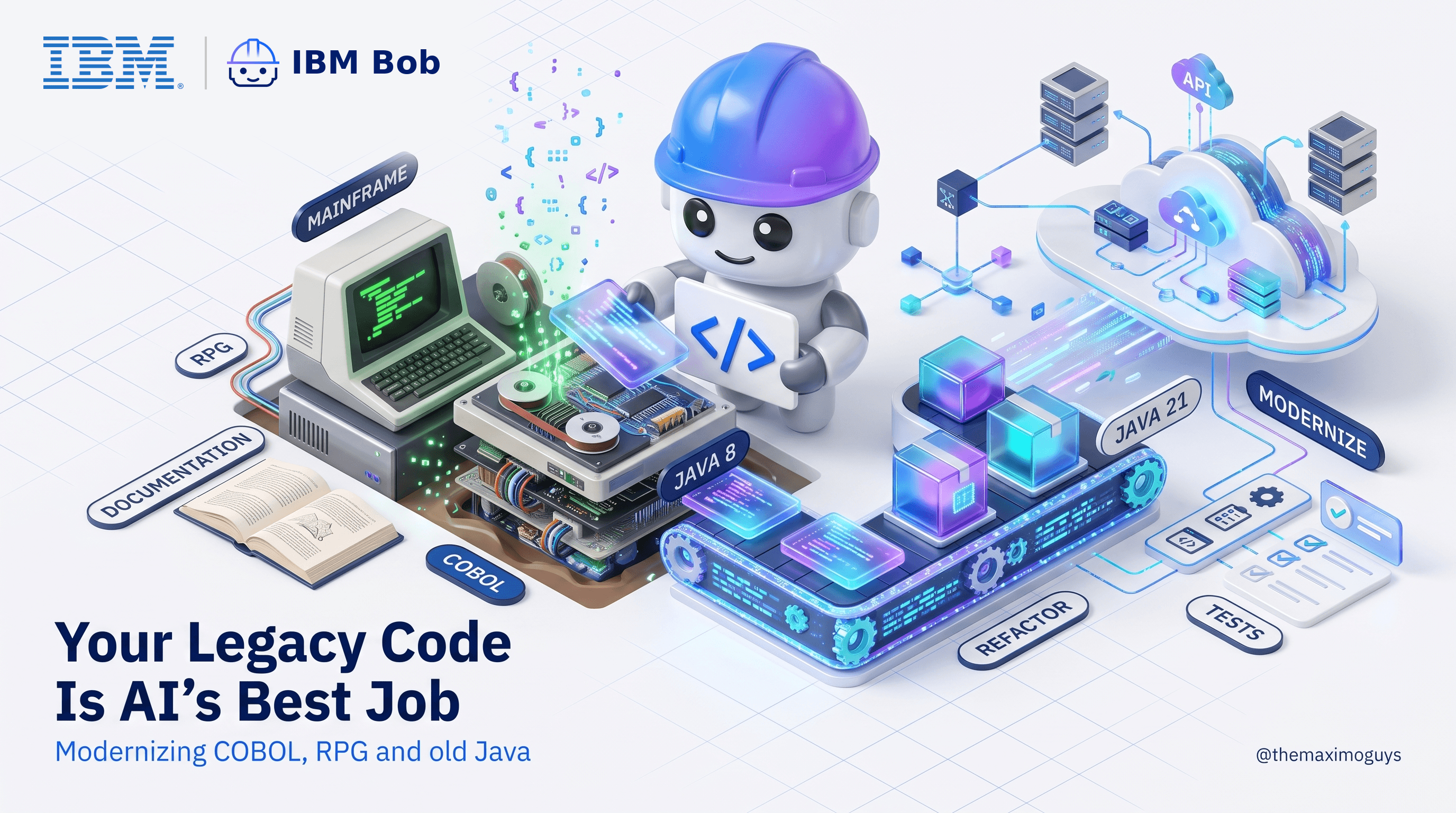
Forget greenfield demos. The most valuable thing AI coding agents do in banks, utilities and government is read, document and modernize the COBOL, RPG and old Java nobody wants to touch — with real caveats.
Krishna NeelaAug 31, 2026Part 6 of 13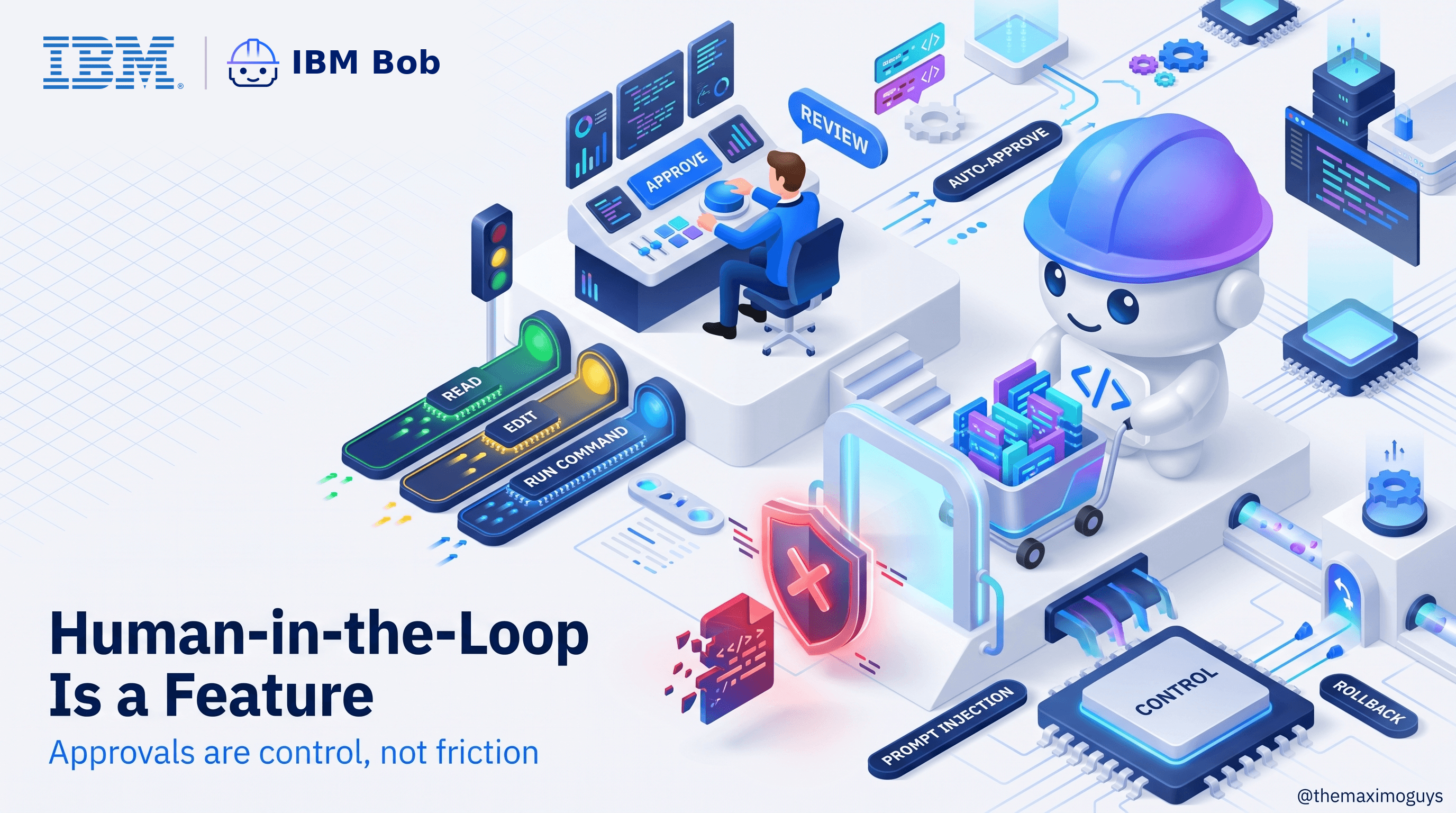
Approval prompts feel like friction — until a README tricks an AI agent into running malware. What the January 2026 IBM Bob beta incident teaches every enterprise about where humans belong in AI coding.
Krishna NeelaAug 26, 2026Part 5 of 13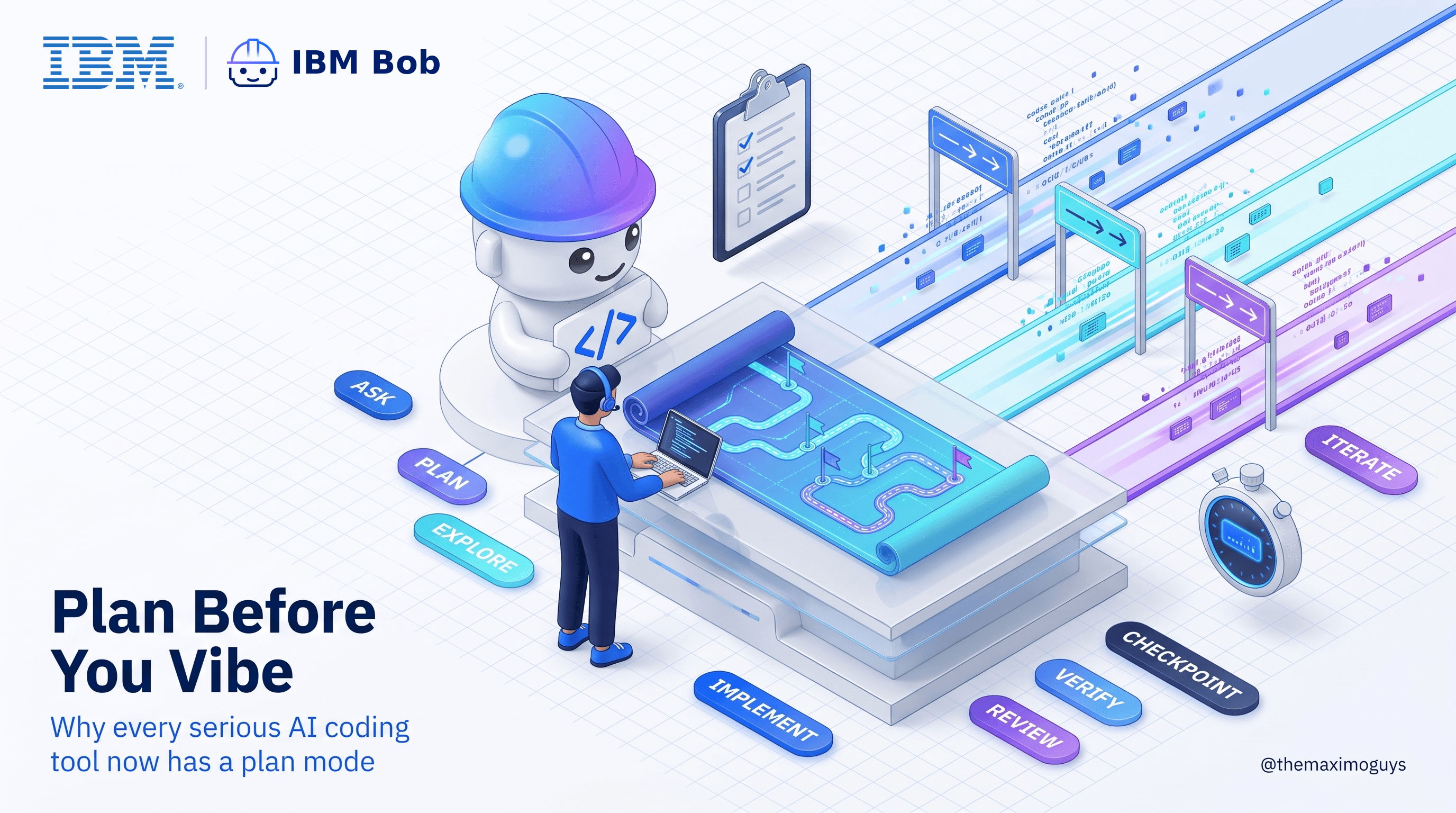
Cursor, Claude Code, Kiro and IBM Bob all ship some version of Ask, Plan and Agent modes. Here's why the 'think first, type second' habit is the single cheapest guardrail in enterprise vibe coding — and when to skip it.
Krishna NeelaAug 21, 2026Part 4 of 13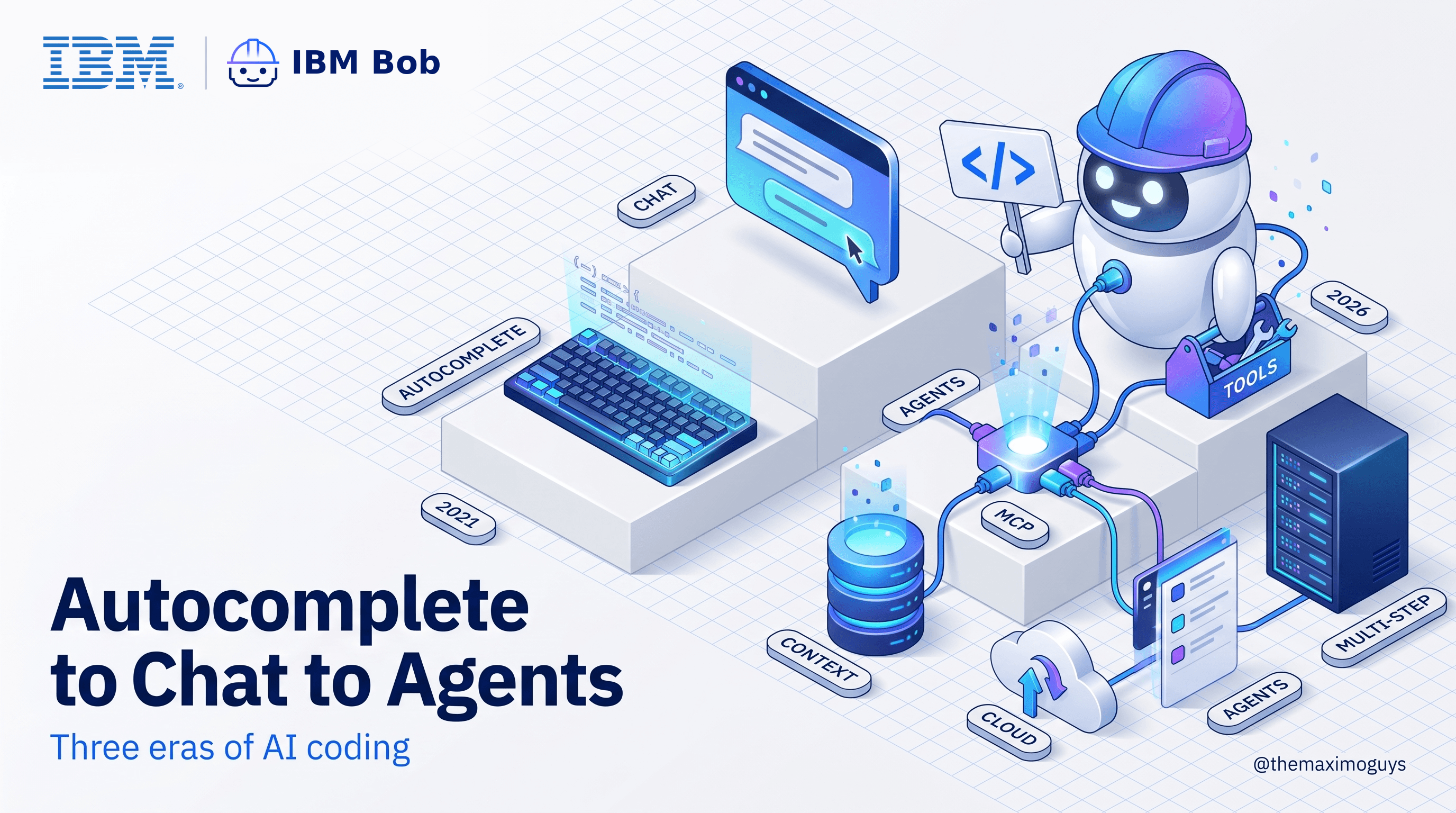
AI coding went from finishing your line, to answering your questions, to doing the work across your whole system. Here is what changed in each era, why agents need a way into enterprise systems, and how the Model Context Protocol became that way in.
Krishna NeelaAug 16, 2026Part 3 of 13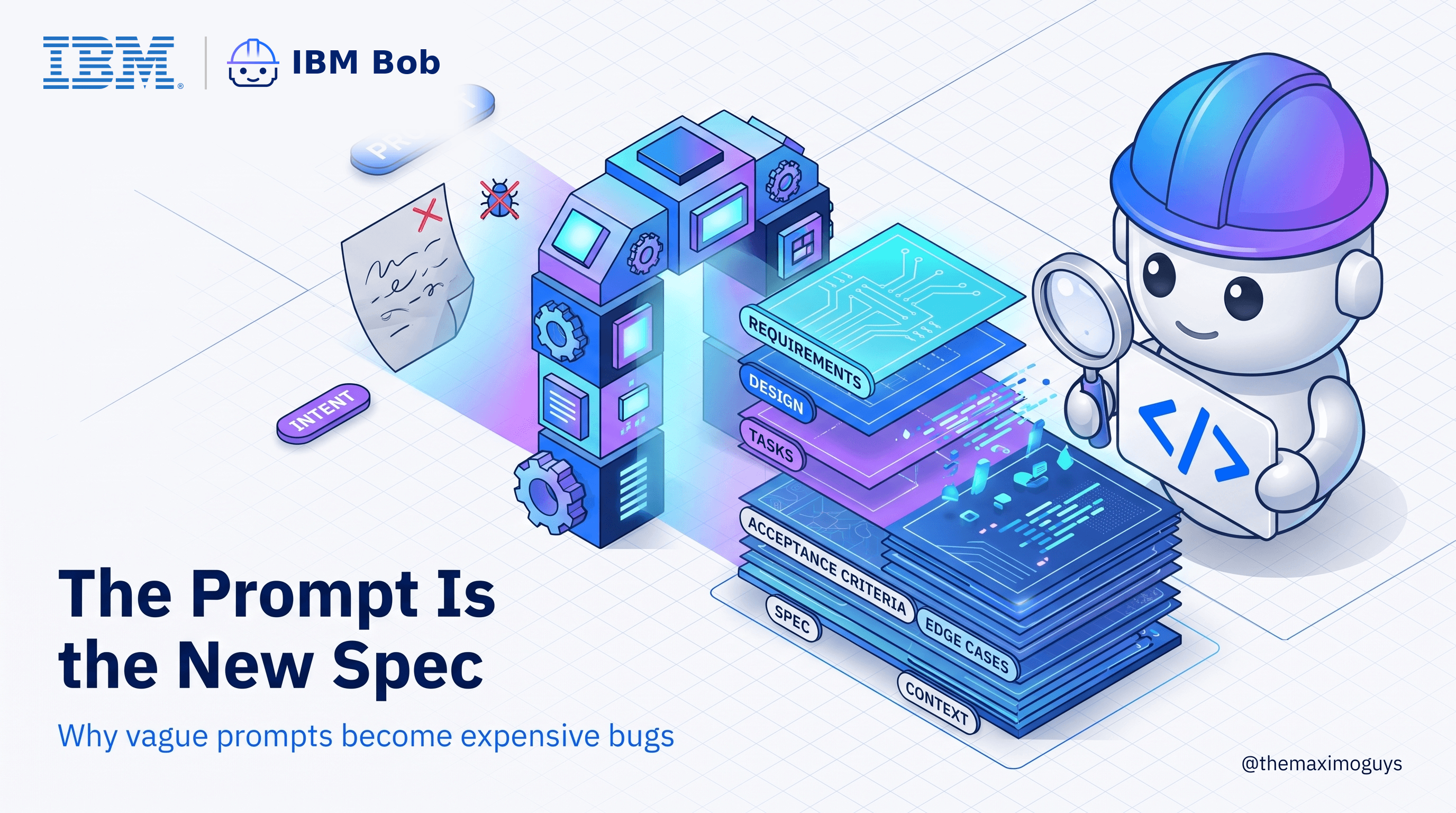
When an AI agent writes the code, your prompt is the requirement. A vague one gets you code that works and is wrong. Here is how enterprise teams are turning prompts into real specifications, with examples from Kiro, IBM Bob, Claude Code, Cursor and Copilot.
Krishna NeelaAug 11, 2026Part 2 of 13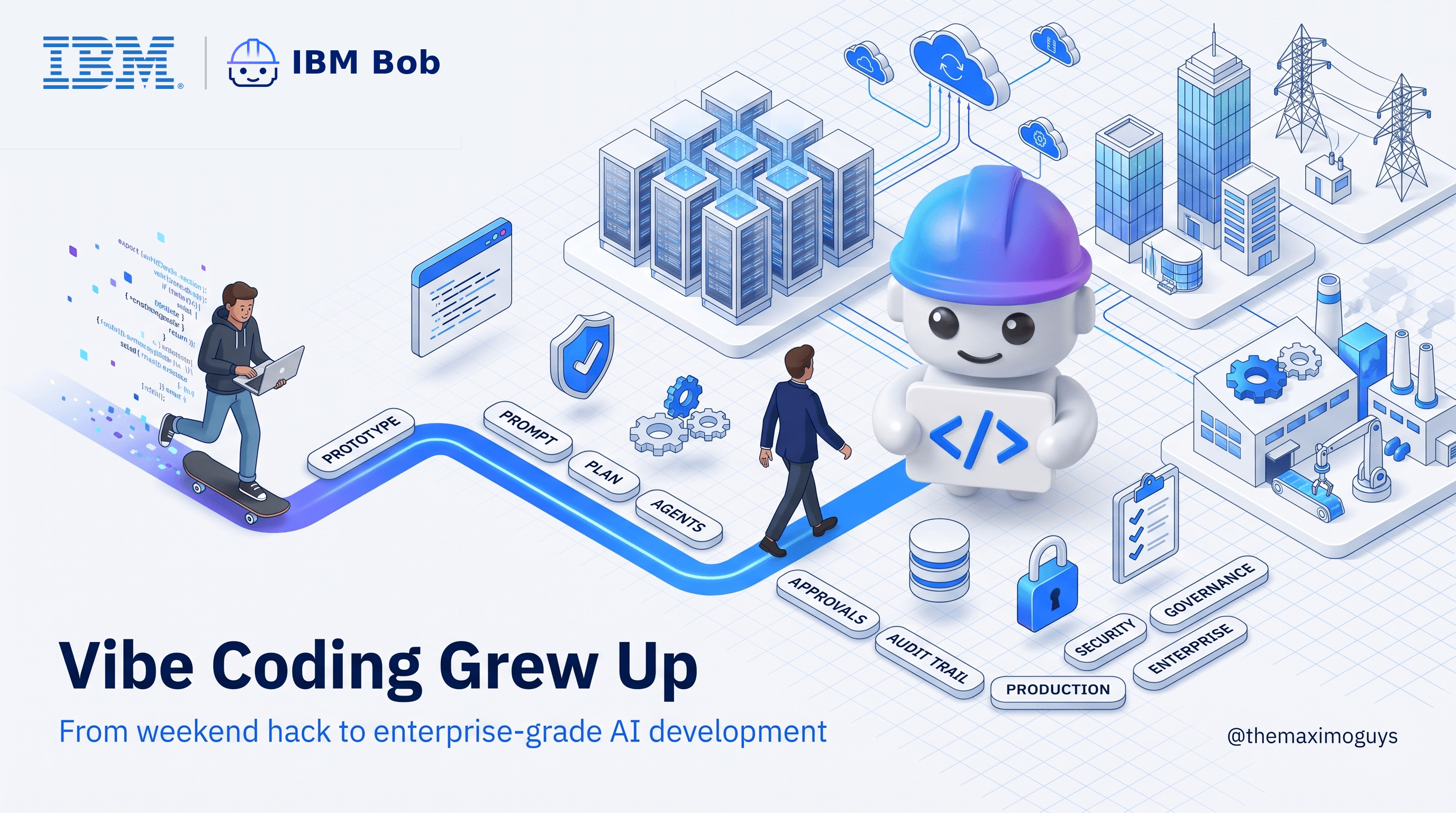
Vibe coding started as a throwaway tweet about letting the AI drive. Eighteen months later it is inside banks, utilities and government agencies, wearing a navy blazer. Here is what changed, what didn't, and why even IBM won't call it vibe coding.
Krishna NeelaAug 6, 2026Part 1 of 13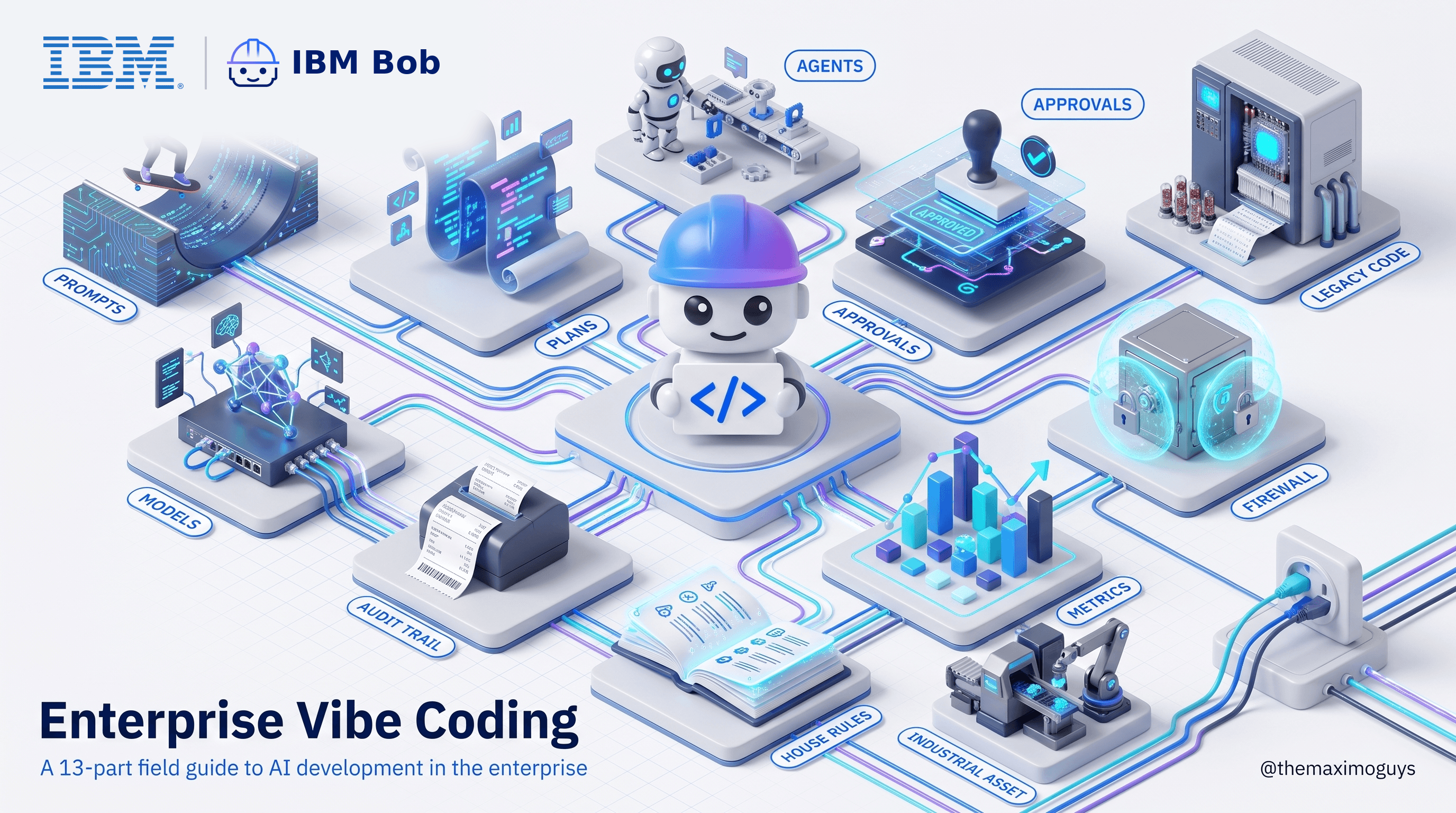
A 13-part, plain-English series on what happens when vibe coding leaves the weekend side project and walks into banks, utilities, insurers, government agencies and manufacturers. Specs, agents, approvals, audit trails, legacy code, firewalls, and how to read the productivity numbers.
Krishna NeelaAug 1, 2026Part 0 of 13