10 posts tagged “AI Governance”
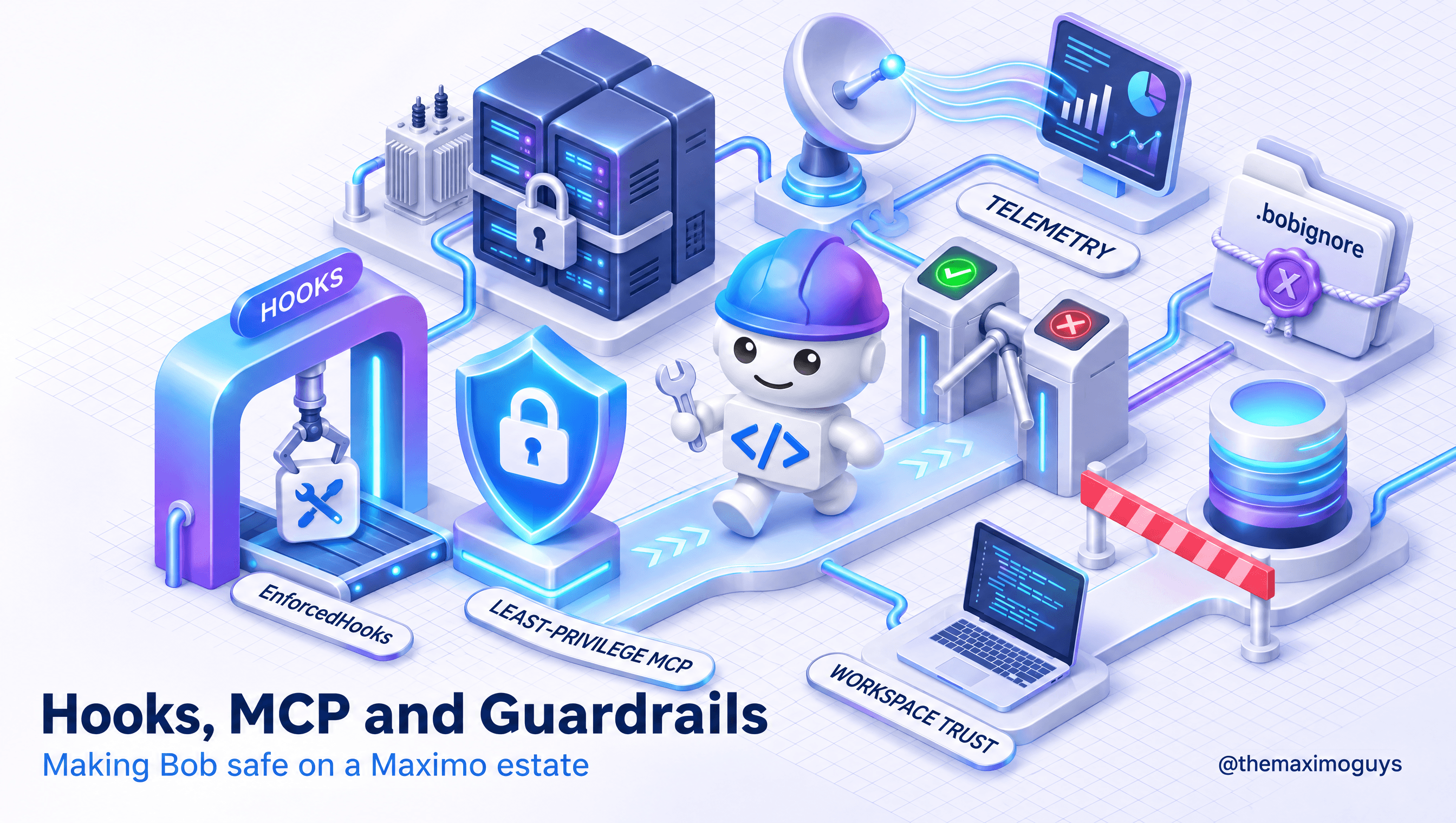
How to put deterministic guardrails around IBM Bob on a Maximo estate: the lifecycle hooks schema and its seven documented events, the new 2.3.0 permission events, four illustrative Maximo guardrail hooks, the EnforcedHooks group policy, OpenTelemetry policies, a least-privilege .bob/mcp.json for the MAS 9.2 Maximo MCP server and agent-neutral servers, workspace trust, .bobignore, and a layered-defense table that says what each layer stops and what it does not.
 Krishna NeelaNov 10, 2026Part 7 of 9
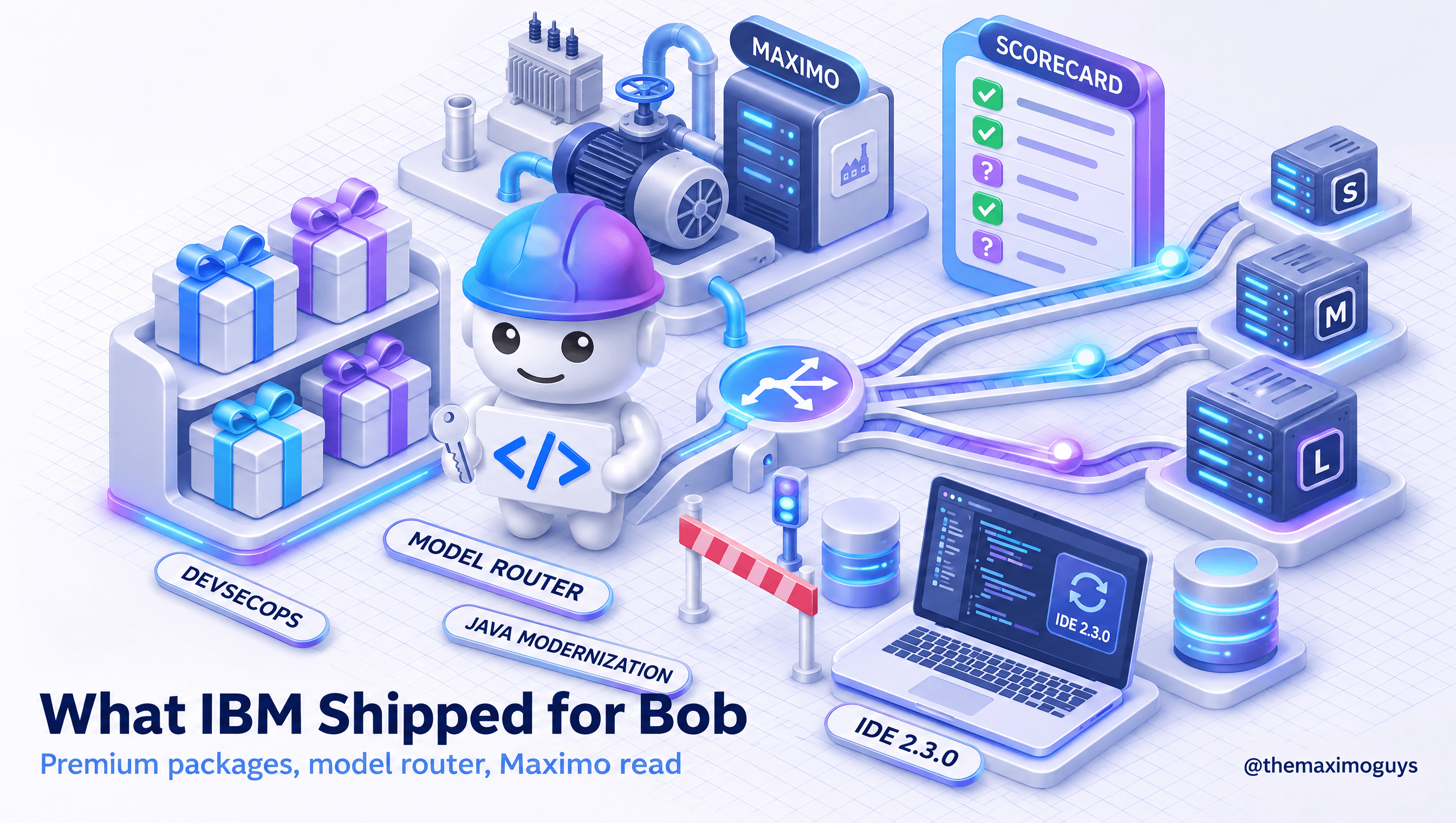
A Maximo reading of everything IBM published for Bob between the self-hosted release and 10 November 2026: the four premium packages (DevSecOps, Java Modernization, Z, i), how the model router picks a tier, IDE 2.3.0, what TechXchange did and did not say, the Maximo assets that actually changed, a dated scorecard, and a refreshed open-questions checklist.
Krishna NeelaNov 10, 2026Part 9 of 9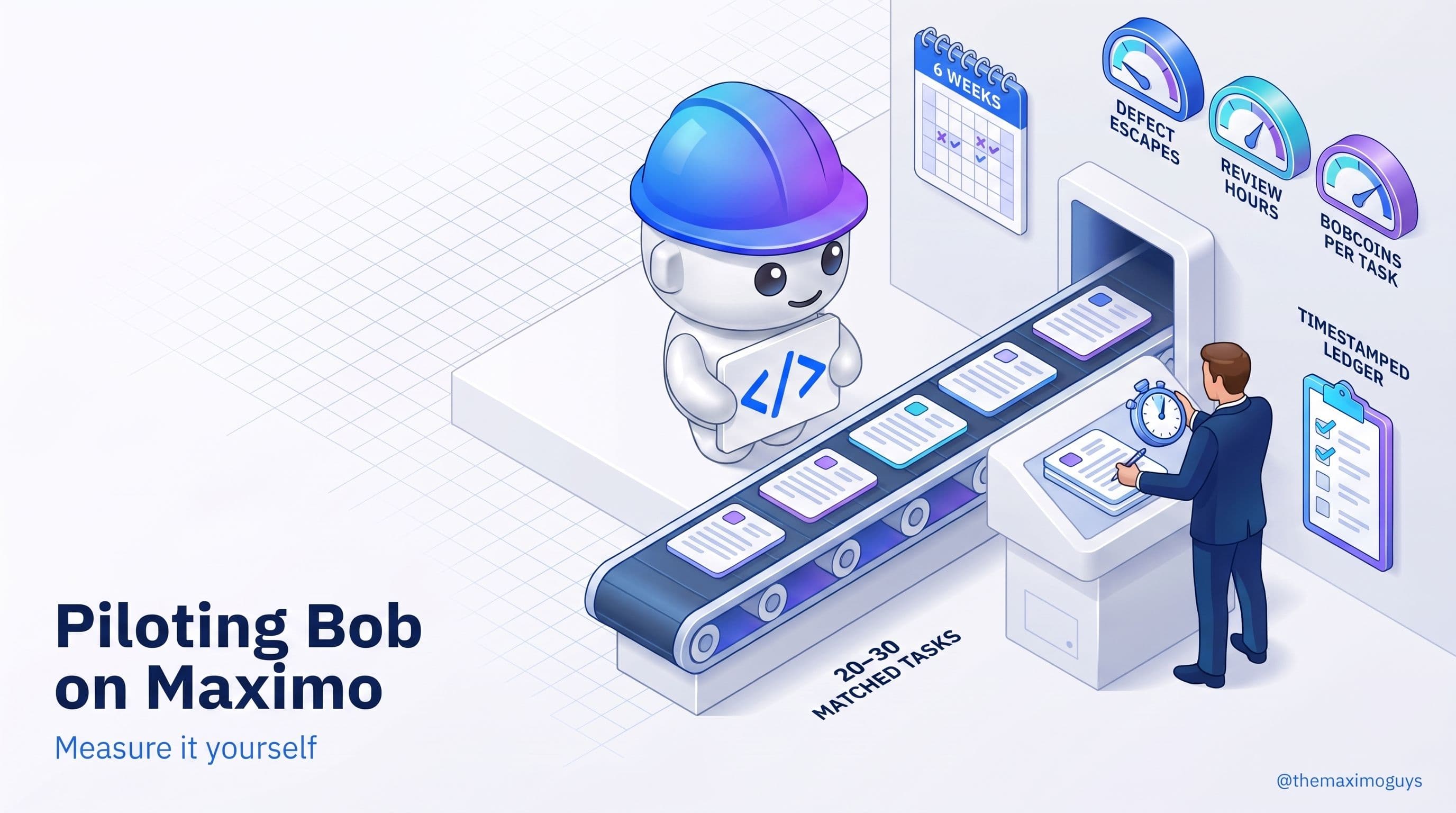
How to pilot IBM Bob on a Maximo estate without trusting a vendor number: IBM-reported customer metrics versus independent views, the competitive field, eight points of guidance, a pilot metric design (defect escapes, review hours, Bobcoins per task), and the open questions as a checklist.
Krishna NeelaOct 26, 2026Part 5 of 9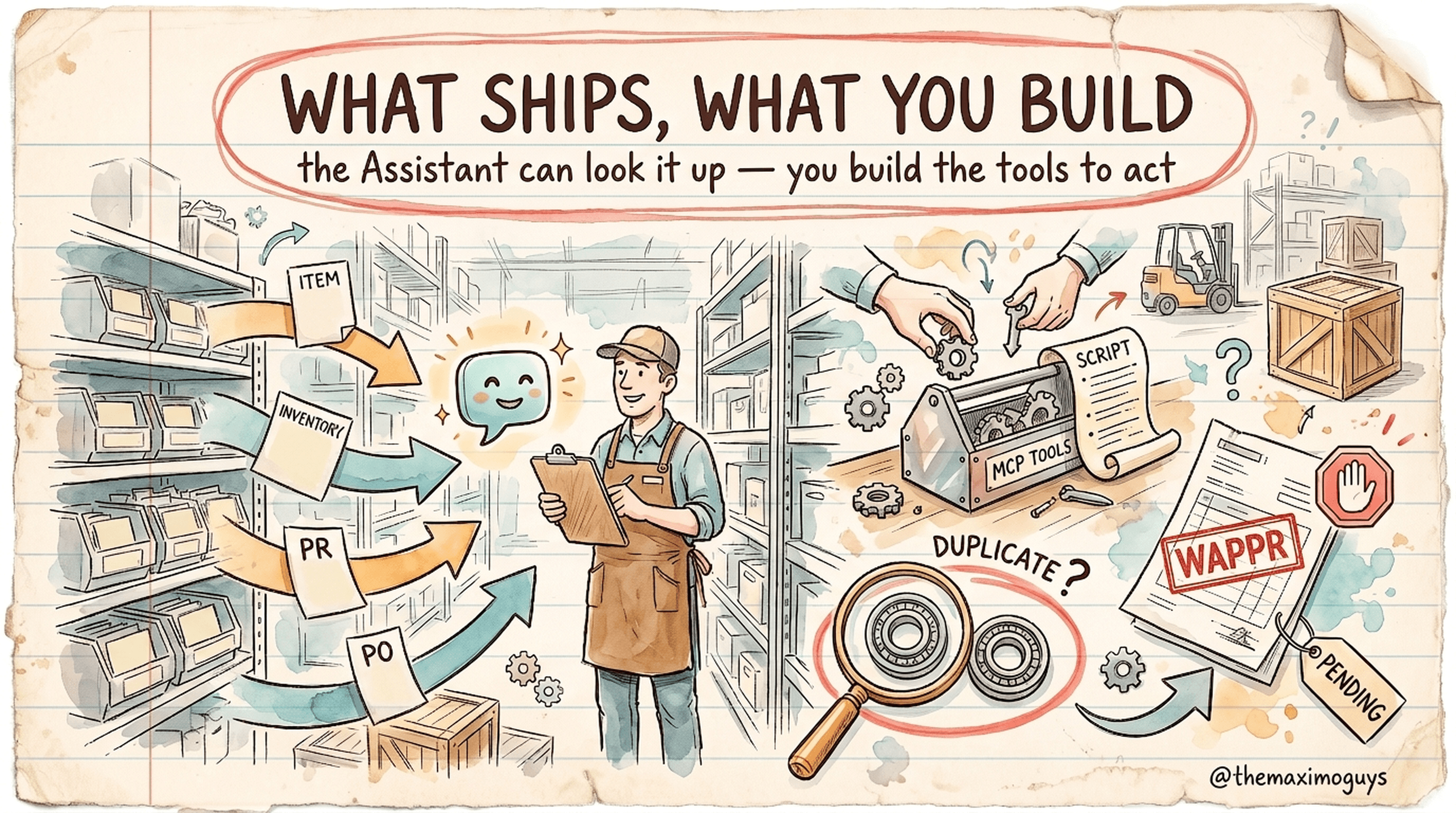
Storekeepers and buyers want to ask the Maximo Assistant to create an item, raise a purchase requisition and check whether a part already exists. This evidence-tiered guide separates what IBM documents today (the Assistant can query supply-chain objects once an admin enables them; similarity is documented for work orders, records and tickets), what IBM has only announced, and what you can build yourself on MAS 9.2 as custom MCP tools — items that land in PENDING, PRs that land in WAPPR and go through your normal approval workflow, and a duplicate-item check — with code, governance and a rollout plan.
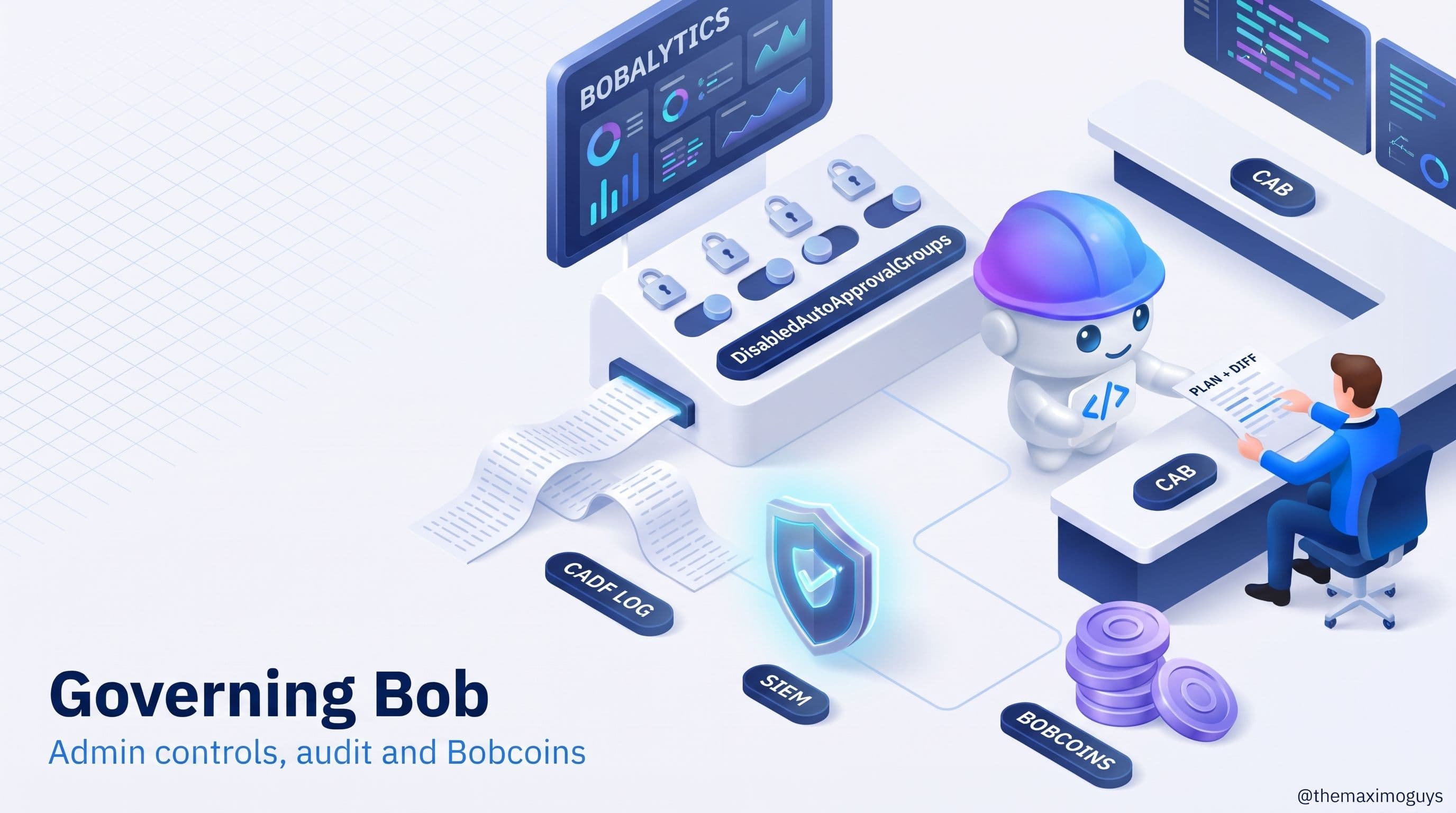
What IBM Bob's group policies, Bobalytics, CADF activity log, SIEM feed, SSO, plans, and Bobcoins actually enforce, where each control stops, and how to wire them into a Maximo change advisory board so AI-authored changes stay auditable.
Krishna NeelaOct 18, 2026Part 3 of 9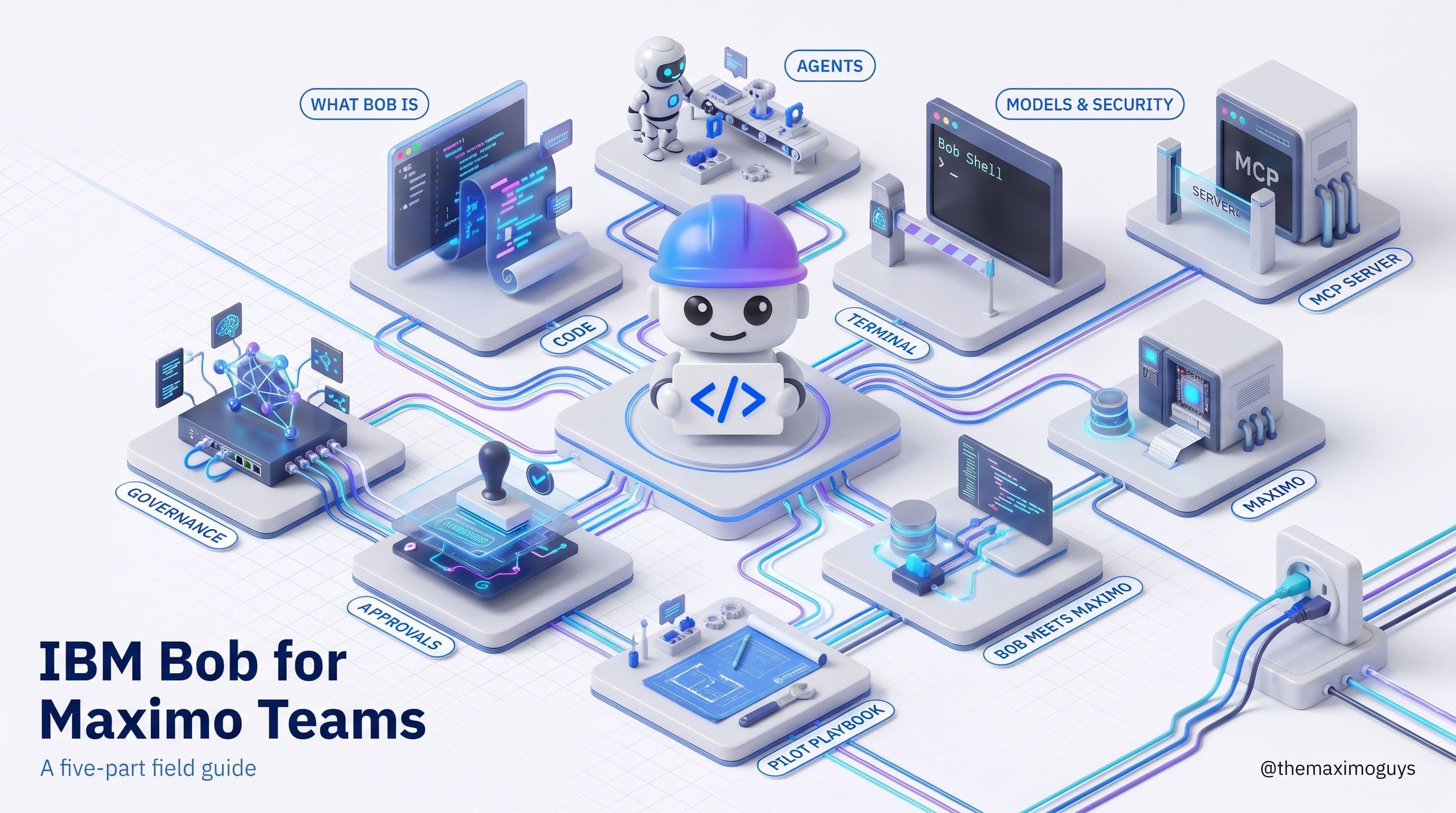
A nine-part, vendor-number-labeled field guide to IBM Bob for Maximo shops: what Bob is, how its models and security work, how to govern and price it, how it meets Maximo through MCP and skills, and how to pilot it without trusting a single marketing figure, plus house rules, guardrails, CI and what IBM shipped through November 2026.
Krishna NeelaOct 6, 2026Part 0 of 9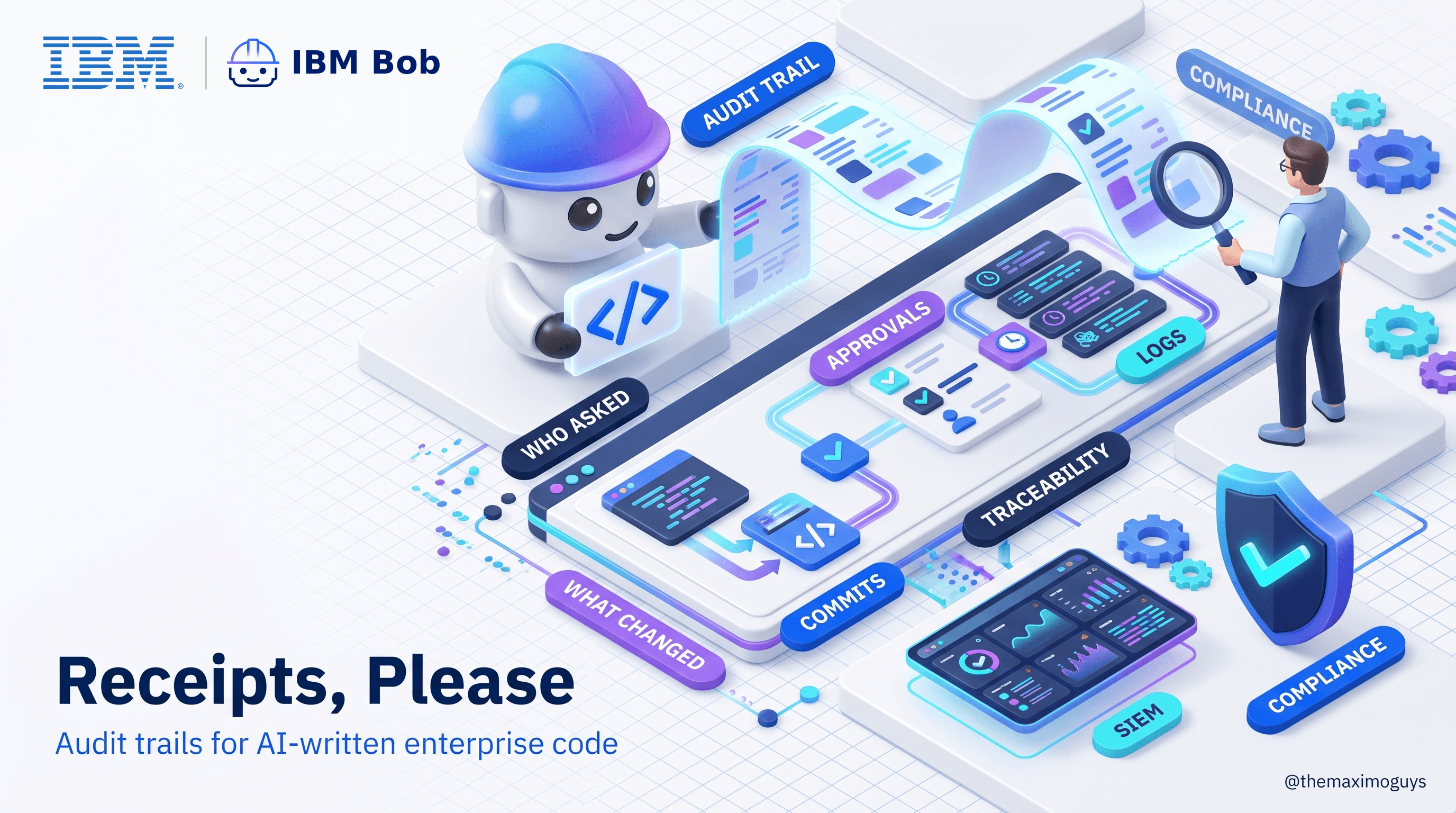
When an auditor asks who wrote that line of code, "the AI did" isn't an answer. How enterprise teams keep receipts for AI-assisted development: activity logs, usage analytics, approvals, rollbacks, and agents that act through APIs instead of databases.
Krishna NeelaSep 14, 2026Part 9 of 13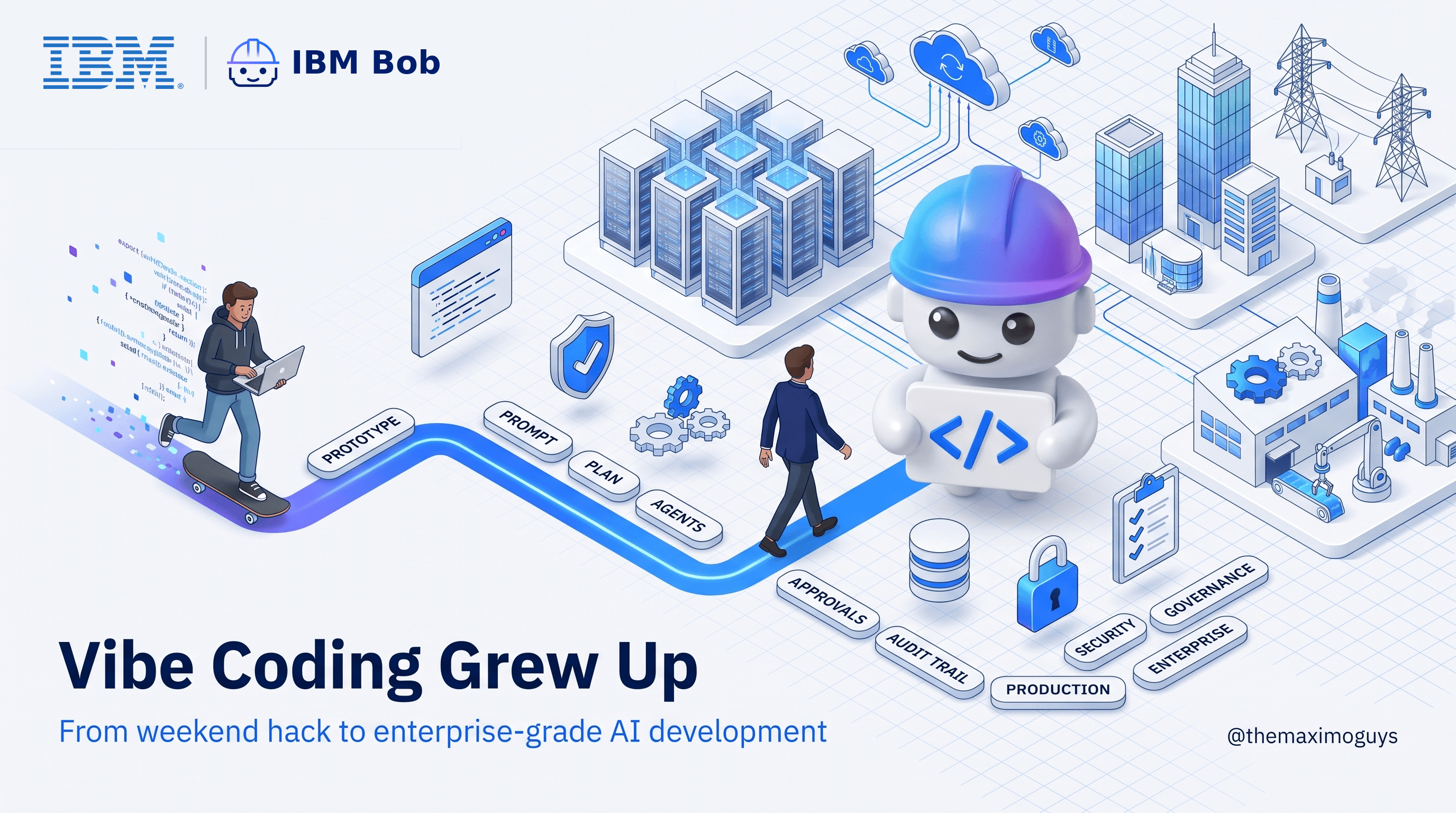
Vibe coding started as a throwaway tweet about letting the AI drive. Eighteen months later it is inside banks, utilities and government agencies, wearing a navy blazer. Here is what changed, what didn't, and why even IBM won't call it vibe coding.
Krishna NeelaAug 6, 2026Part 1 of 13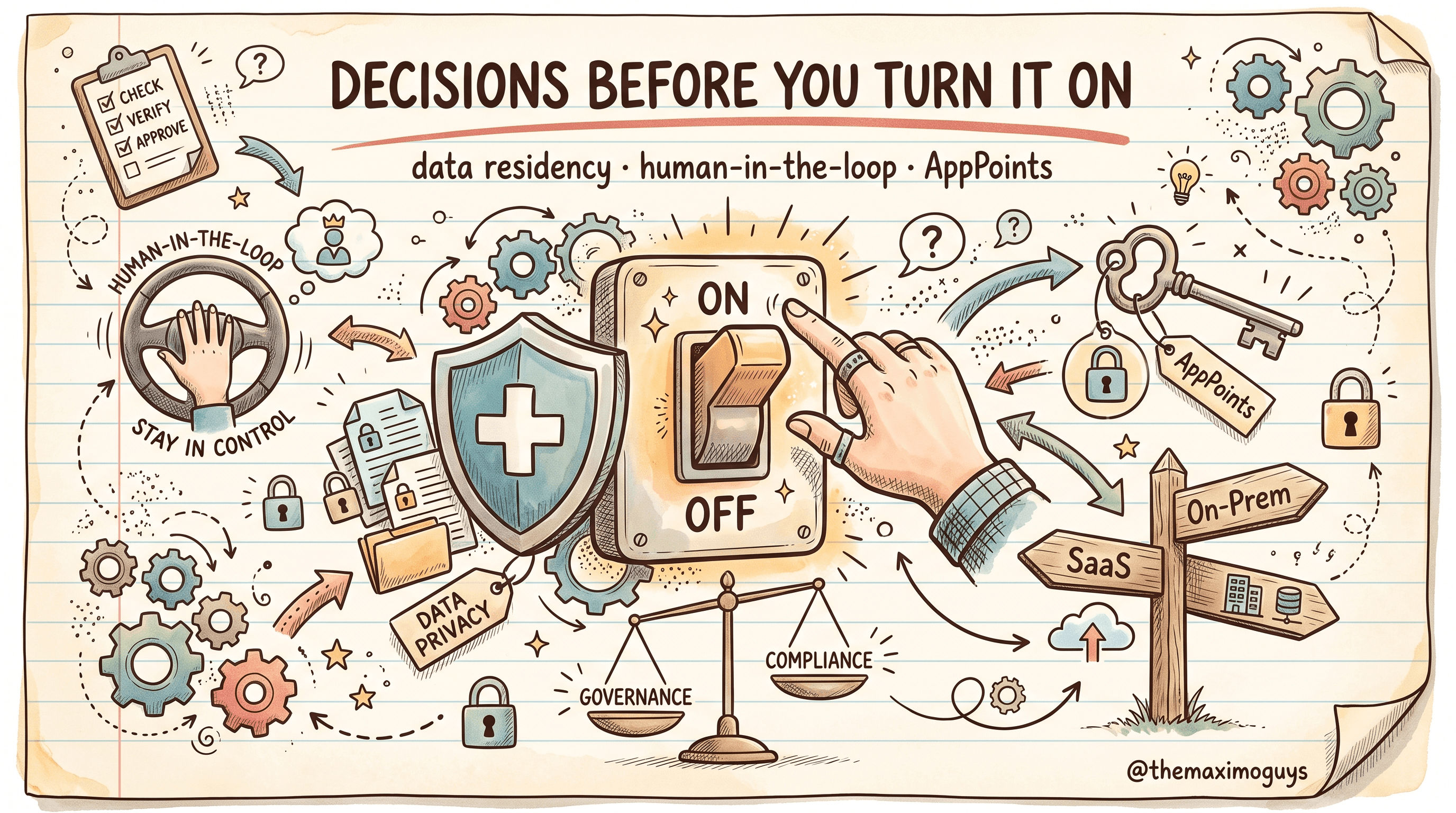
Generative AI is a governance conversation before it is a technology one. The data-residency decision baked into SaaS-versus-on-premises watsonx.ai, the human-in-the-loop controls (confidence scores and accept/modify/reject) that keep the AI a recommender not a decider, the feedback loop as a governed data process, and the AppPoints licensing that gates who gets access — with a go-live governance checklist.

Model lifecycle management, retraining schedules, quality governance, scaling across sites, and the organizational change that makes or breaks enterprise visual inspection programs.
 Surendra KattaSurendra KattaOct 20, 2026Part 7 of 8
